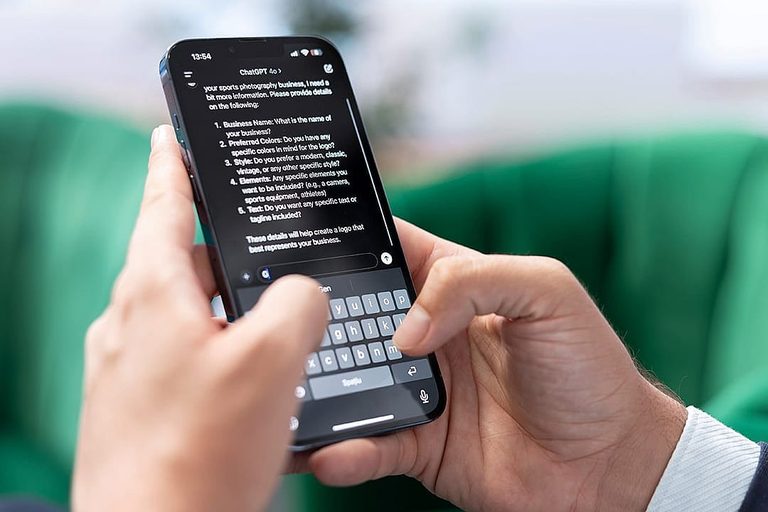
Recent research highlights a growing risk in American workplaces as artificial‑intelligence tools become routine. A national poll of 500 employed adults ages 18‑64, conducted on September 1, 2026 through the Pollfish platform, shows that while 72% of respondents use AI daily or several times a week, only 35% say they always double‑check the output before acting on it.
Survey findings on AI usage and verification
Workers reported using AI for research (nearly eight in ten), drafting documents and email (about half), and for legal, financial, or compliance questions (23%). When asked how often they independently verify an AI answer, 33% said they usually do, 26% sometimes, and 6% rarely or never. In total, 65% admit they do not always verify.
Even among the 173 respondents who claimed they always verify, 40% said they had still accepted an answer they suspected was wrong, and that group reported work‑related problems at a rate comparable to the overall sample (32% vs. 30%).
Consequences of unchecked AI output
Thirty percent of all respondents said a wrong AI answer had already caused a problem at work—ranging from a mistaken deliverable to a costly decision or client issue. Four percent described the incident as serious, while another 24% were unsure whether the error caused a problem.
Workers in legal, financial, or compliance roles reported the highest impact: 43% of the 113 respondents in those fields said an inaccurate AI answer had cost them something, yet 64% of that subgroup still do not always verify AI output.
Responsibility and awareness
When asked who would be legally responsible for financial harm caused by a wrong AI answer, 51% said “me personally,” 18% pointed to their employer, 15% were unsure, and only 12% named the AI‑producing company. Despite this, 52% of respondents were unaware that AI vendors’ terms of service explicitly disavow responsibility for output accuracy.
Only 22% said their employer has a written policy requiring verification of AI‑generated content before it becomes part of a work product; 59% reported no such policy, and 19% were unsure. Among client‑serving professionals in law, finance, healthcare, consulting, and real estate, roughly one in three said a policy exists.
Implications for employers and workers
The findings echo earlier laboratory research from the University of Pennsylvania’s Wharton School, which observed a “cognitive surrender” effect: when AI delivers a confident but incorrect answer, 73% of participants accepted it without further scrutiny, and their confidence in the wrong answer increased.
Experts caution that AI can be a valuable drafting and research aid, but it must be treated like any other tool—useful for a first draft or to organize ideas, yet requiring verification before final use. Clear workplace policies and a culture of “trust but verify” can help mitigate the risk of costly mistakes.
Key takeaways
- Two‑thirds of U.S. workers do not always verify AI answers.
- Half of respondents believe they would be personally liable for financial harm caused by inaccurate AI output.
- Only about one‑fifth of employers have written verification policies.
- Workers in high‑risk fields (legal, financial, compliance) report the highest incidence of AI‑related problems.
As AI becomes an everyday part of professional workflows, both employees and employers must prioritize verification practices to protect productivity, reputation, and financial stability.
Original reporting: KTVZ (Central Oregon) — read the source article.