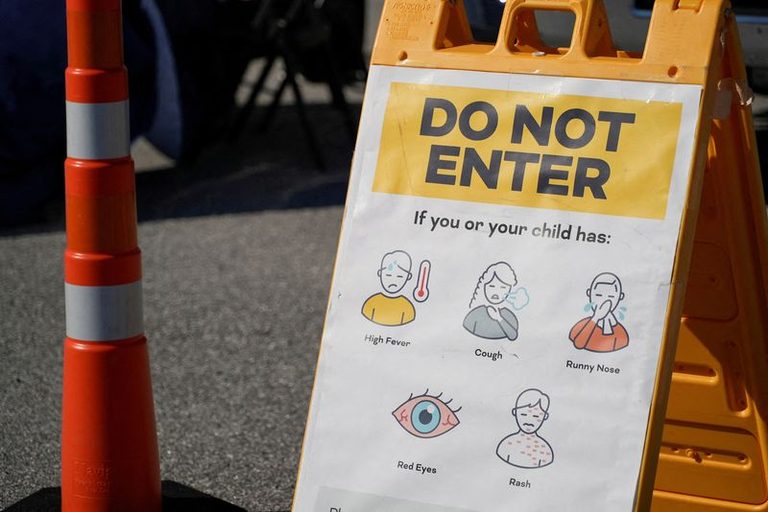
Two Pennsylvania residents have died from measles, marking the first U.S. fatalities from the disease in 2026 and the first deaths in the state in 35 years, according to health officials.
Why measles remains a serious threat
Before the vaccine became available in 1963, the United States saw 3‑4 million measles cases each year, resulting in tens of thousands of hospitalizations and several hundred deaths. Complications can include ear infections, pneumonia, blindness, brain swelling and, in pregnant women, premature birth or low‑birth‑weight infants.
Current outbreak data
The Centers for Disease Control and Prevention (CDC) reported 2,777 confirmed measles cases nationwide as of August 20, 2026, a 35‑year high reached in July. Of those cases, 94% are linked to 36 outbreaks reported this year. The CDC estimates that about one in five unvaccinated individuals who contract measles will require hospitalization.
Vaccination rates and herd immunity
Achieving at least 95% vaccination among kindergarten‑age children is needed for herd immunity. Recent CDC data show coverage among U.S. kindergartners fell from 95.2% in the 2019‑2020 school year to 92.7% in 2023‑2024. In the Texas county that experienced a 2025 outbreak, the kindergarten vaccination rate was only 80% in the 2023‑2024 school year, well below the level needed to protect those who cannot be vaccinated.
How measles spreads and prevention
Measles spreads through respiratory droplets that can linger in the air for up to two hours. Up to 90% of unvaccinated people exposed to an infected individual may become infected. The MMR (Measles‑Mumps‑Rubella) vaccine, given in two doses—first at 12‑15 months and again at 4‑6 years—provides about 97% protection. Adults born before 1957 are presumed immune, but those unsure of their status are advised to receive a dose.
Treatment and myths
There is no specific antiviral treatment for measles; care focuses on relieving symptoms and preventing complications. Vitamin A supplements do not prevent measles, though high‑dose vitamin A can reduce severe complications in children in low‑income settings. Claims that vitamin A can replace vaccination have been promoted by public figures but lack scientific support.
What families can do
Parents should ensure their children receive both doses of the MMR vaccine and verify that any adult household members are up to date on boosters, especially if an outbreak is occurring nearby. Unvaccinated individuals exposed to measles should observe a 21‑day quarantine to limit further spread.
Original reporting: Appleton, WI News Feed (HLL/CB) — read the source article.