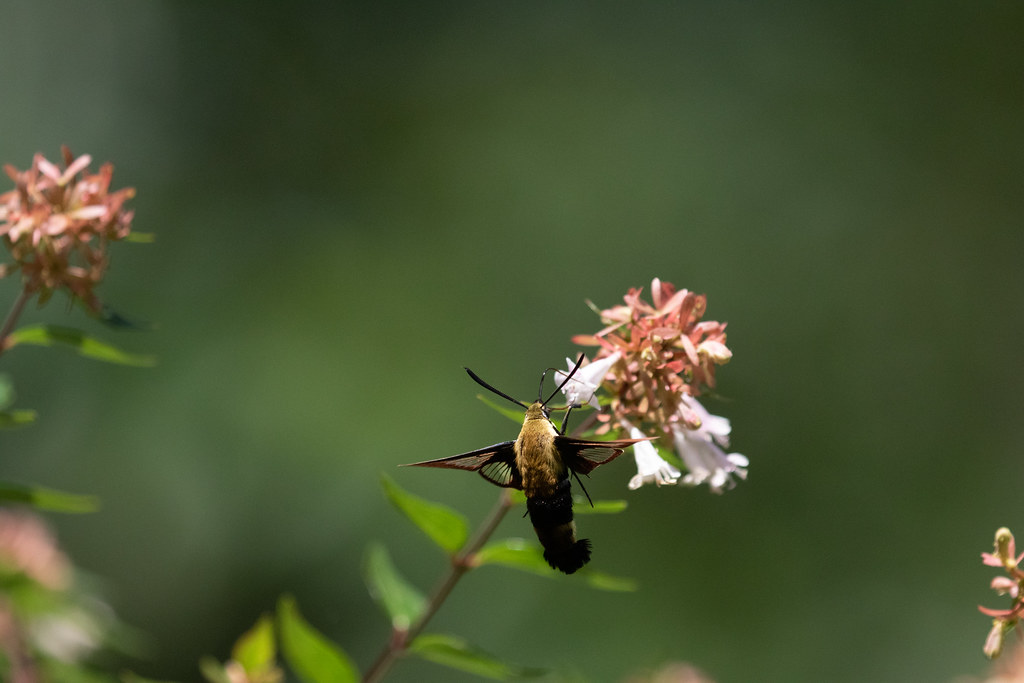
Tucked into a quiet corner of southwest Tuscaloosa, just a few miles from the buzz of the Strip and the roar of Bryant-Denny on game days, the University of Alabama Arboretum offers something the city rarely gets credit for: genuine, unhurried natural beauty. Spread across sixty acres of curated woodland, native plant gardens, and winding footpaths, this place has a way of making you forget you’re in a mid-sized Alabama city at all.
The arboretum sits off Moundville Avenue, and the moment you pull into the small parking area, the shift in atmosphere is immediate. The sound of traffic fades. The canopy closes in. You’re greeted by a trail map kiosk and the quiet rustle of a forest that has been tended, studied, and celebrated for decades. There’s no admission fee, which somehow makes arriving here feel like stumbling onto something almost too good.
The grounds are divided into distinct garden areas, each with its own personality. The wildflower garden is arguably the showstopper from late March through May, when native Alabama species burst into color in a way that stops even the most casual visitor in their tracks. Trillium, bloodroot, wild ginger — these aren’t plants most people can name on sight, but after a slow walk through this section, they start to feel like old acquaintances. Interpretive signage throughout the arboretum does a genuinely good job of educating without lecturing, so you leave knowing a little more about the landscape than when you arrived.
The fern gully is another favorite. A shaded hollow carved by a small seasonal stream, it has the kind of moody, primordial quality that makes you want to photograph everything and say very little. In summer, the humidity makes the whole area feel like a greenhouse left beautifully wild. In autumn, it transforms again — the hardwoods overhead shift to amber and rust while the ferns below hold their green just a little longer than everything else.
Birders have long known about this place. The arboretum sits within a flyway corridor, and during spring and fall migration, the tree canopy can fill with warblers, vireos, and thrushes moving through. Bring binoculars if you have them. Even if you don’t, the songbirds are hard to miss.
The trails are easy and well-maintained, covering roughly two miles in total, which means you can do a full loop in under an hour or spend an entire afternoon drifting back and forth between the themed sections. It works equally well as a solo retreat, a slow date walk, or a genuinely educational family outing.
What strikes you most, coming out the other side of a visit, is how cared-for everything feels — not manicured in a stiff botanical-garden way, but stewarded. This is a working resource for UA students and researchers, and that purpose gives it a depth that purely decorative green spaces sometimes lack. You’re walking through living curriculum, and somehow that makes every plant feel a little more worth noticing.
Open year-round from dawn to dusk, the University of Alabama Arboretum is the kind of Tuscaloosa experience that doesn’t need a crowd or a calendar event to justify a visit. Go on a Tuesday morning in November. Go on a Saturday in April when the wildflowers are at full volume. Just go.