The Tuscaloosa City Council unanimously approved a three‑year contract extension with Flock Group, Inc., the company that provides the city’s automated license‑plate readers. The resolution, passed on Tuesday, authorizes the mayor to sign Amendment Number Two to the existing 2023 agreement, allocating $64,500 for the first year and $58,800 for each of the second and third years, for a total of up to $182,100.
Contract details and transparency concerns
While the council’s vote was unanimous, the contract’s full text was not made public before the meeting. A city spokesperson told the Tuscaloosa Thread that the agreement will become a public record once it is fully executed, a step that typically occurs a few days after the council’s approval. The agenda packet included only a single‑page summary of the measure, offering no specifics on the number of Flock cameras currently in use, the quantity of equipment the new funds will purchase, data‑retention periods, or which agencies may access the collected license‑plate data.
City attorney Scott Holmes, speaking at a pre‑council briefing, declined to provide additional details, noting that the request originated from the police department.
Background on Flock’s technology in Tuscaloosa
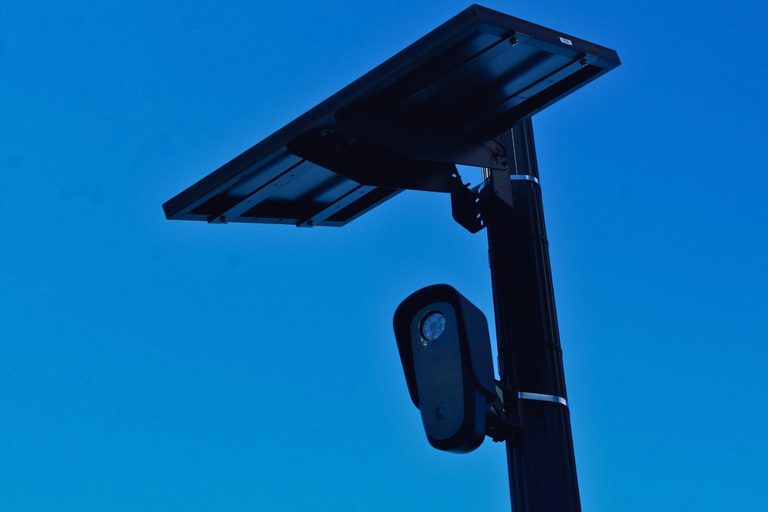
Flock Group markets a suite of public‑safety tools, including license‑plate recognition cameras, video cameras, gunshot‑detection sensors, drones, and investigative software. The company’s senior spokesperson, Holly Beilin, told the Thread in April that its customers range from police departments to private homeowners’ associations.
Local law‑enforcement officials have cited the technology’s usefulness. The Tuscaloosa Violent Crimes Unit relied on Flock data to help solve the fatal hit‑and‑run of 72‑year‑old pedestrian Willie Fleming on Highway 43 in Northport, leading to an arrest earlier this spring.
Privacy and community response
Flock’s surveillance system has attracted scrutiny nationwide over privacy and data‑retention practices. In some Alabama municipalities, officers have faced termination for using license‑plate readers beyond authorized law‑enforcement purposes. Neighboring Walker County has even banned the use of Flock cameras and similar devices.
Earlier this year, the Tuscaloosa Thread reported that city officials declined to answer questions about the total number of cameras deployed, the length of existing contracts, and the duration for which plate data is stored. At that time, an independent tracking site listed more than 60 Flock cameras in the greater Tuscaloosa area. The same source now shows roughly 130 cameras, indicating a rapid increase in deployment.
Implications for the community
The council’s decision reflects a continued commitment to leveraging technology for public safety, while also raising legitimate concerns about transparency and privacy. Residents and local advocacy groups are encouraged to monitor the upcoming public record for details on how the funds will be used and what safeguards are in place to protect citizens’ privacy.
For ongoing coverage of Tuscaloosa City Hall and related developments, stay connected with the Tuscaloosa Thread.
Original reporting: The Tuscaloosa Thread — read the source article.