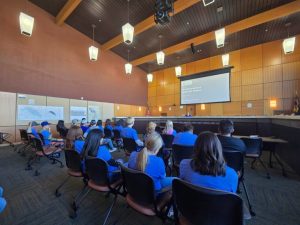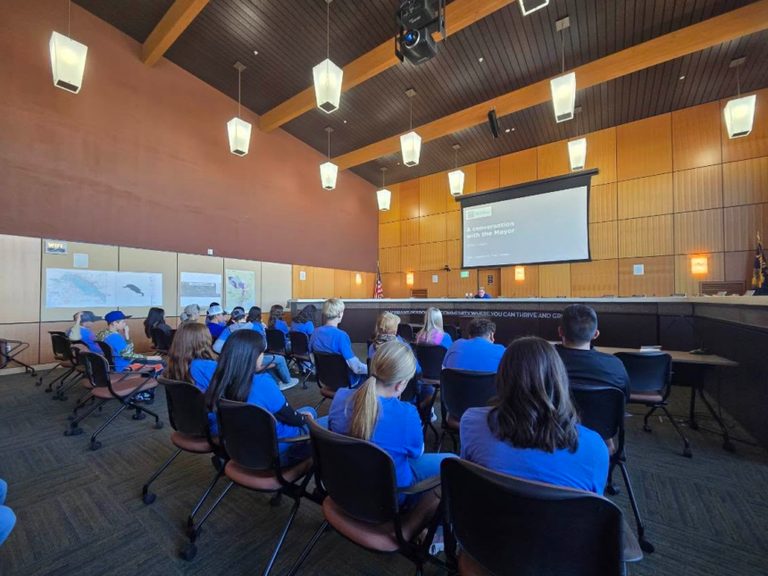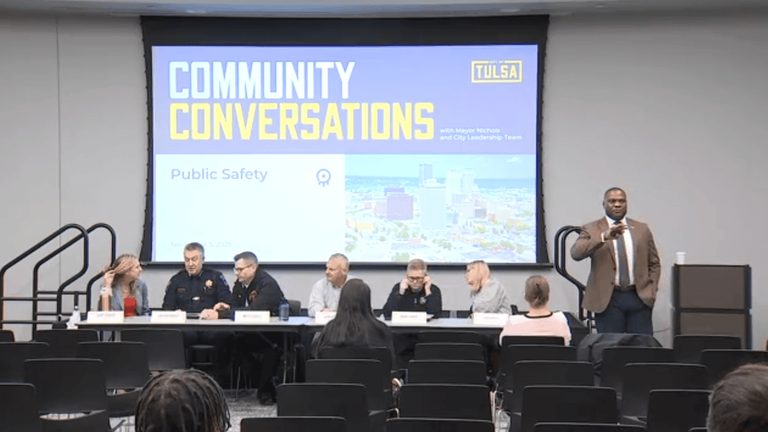
Tulsa residents gathered Thursday at the Rudisill Regional Library for the city’s final public‑safety conversation of 2026. Representatives from the Tulsa Police Department, Fire Department, Animal Services and Emergency Management answered questions and shared updates on the city’s safety initiatives.
Mayor Nichols reports progress on multiple fronts
Mayor Monroe Nichols told the audience that the past year has brought several key improvements aimed at keeping Tulsa safe while respecting the community’s values. “In just the last year, we welcomed a new police chief, expanded our alternative response teams, and rolled out the COPES 911 program, which has diverted thousands of calls from a law‑enforcement response to a mental‑health response,” Nichols said.
He added that the city also created a Department of Emergency Management to better prepare for natural disasters and large‑scale events. “We want to ensure Tulsa can withstand any sort of natural disaster and handle major events with the proficiency a city of our size should have,” the mayor explained.
Focus areas: outstanding warrants and fire safety education
Among the priorities highlighted were efforts to reduce the number of outstanding warrants in the community and to improve fire‑safety education for residents. The mayor said the police department is working closely with the courts to clear backlogs, while the fire department is expanding outreach programs in schools and neighborhoods.
Community input shapes future actions
Attendees voiced concerns about response times, animal‑services resources and the need for more transparent communication during emergencies. Several participants praised the COPES 911 initiative, noting that mental‑health professionals arriving on scene can de‑escalate situations before they become violent.
Others called for additional training for officers on dealing with vulnerable populations and for more frequent fire‑safety drills in high‑risk areas. The mayor affirmed that the city will incorporate this feedback into upcoming policy reviews and budget planning.
Next steps for Tulsa’s safety strategy
The city plans to continue expanding the alternative response team model, which pairs law‑enforcement officers with mental‑health clinicians for certain 911 calls. Funding for the program is slated to come from the municipal budget’s public‑safety allocation, and the mayor indicated that the council will consider a modest increase to sustain growth.
Mayor Nichols also announced that the Emergency Management Department will conduct a city‑wide hazard‑assessment drill later this winter, inviting schools, businesses and faith‑based organizations to participate. The goal is to test coordination among first responders and improve public awareness of evacuation routes and shelter locations.
Looking ahead
As Tulsa moves into 2027, city officials remain committed to a proactive, community‑focused approach to public safety. By strengthening partnerships between police, fire, animal services and emergency management, the administration aims to protect families, uphold the rule of law and preserve the city’s quality of life.
Residents are encouraged to stay engaged by attending future community conversations, submitting feedback through the city’s online portal, and participating in neighborhood watch programs.
Original reporting: KTUL 8 (Sinclair) – local — read the source article.