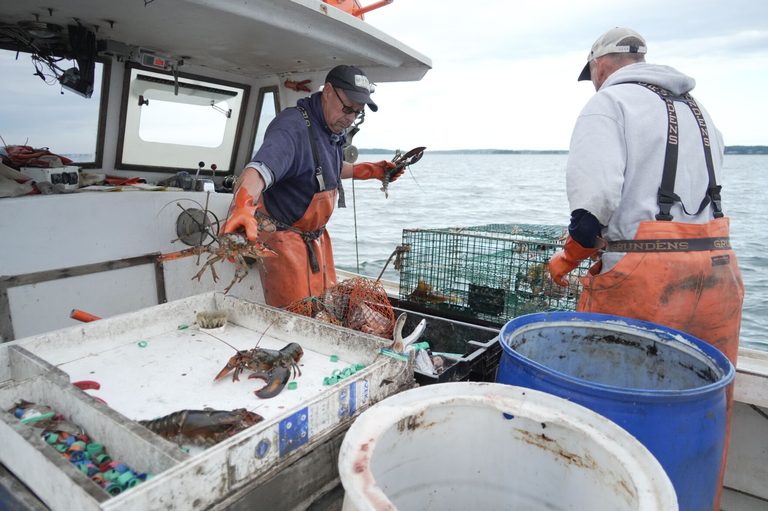
Commercial fishermen across the United States – from Maine’s lobster boats to Alaska’s crab vessels – are voicing frustration with President Trump’s recent policies that they say are hurting their livelihoods. While the administration continues to promote regulatory rollbacks and promises of reduced red tape, rising fuel costs, trade disputes with Canada, and steep budget cuts at the National Oceanic and Atmospheric Administration (NOAA) are creating new challenges for the industry.
Long‑time supporters feel the strain
John Evich, a commercial fisherman who works in both Washington and Alaska, has voted for President Trump three times, believing the president would stand up for his industry. “If somebody came along that was going to do a better job, I would vote for them in a heartbeat,” he said, reflecting a growing unease.
Linda Behnken, an Alaska long‑line fisherman, echoed the sentiment, noting that higher operating costs have “undermined the viability of some of our fisheries.” The concerns are shared by fishermen in New York, Rhode Island, Maine and other coastal states.
Fuel prices and trade tensions add pressure
Diesel fuel, the lifeblood of commercial vessels, has surged to the $6‑per‑gallon range amid the ongoing war with Iran, up from under $4 a year ago. Bonnie Brady, executive director of the Long Island Commercial Fishing Association, called the price spike “one of the most immediate pressures on us as commercial fishermen.” High fuel costs can make a trip uneconomical, affect crew wages, and limit necessary vessel maintenance.
Compounding the issue, the Trump administration’s tariff policy with Canada has created uncertainty for the U.S. seafood sector. Canada remains the nation’s largest seafood trading partner, and while it has exempted U.S. fish and seafood products from its counter‑tariffs, the broader trade dispute threatens market access for lobsters, salmon and other high‑value species.
NOAA budget cuts raise alarm
The administration’s effort to trim federal spending has hit NOAA hard. A proposed FY 2027 budget calls for more than a 40 percent reduction to NOAA Fisheries, slashing science programs, fisheries management and data‑collection efforts. Fishermen say the cuts have slowed the agency’s response to industry needs and reduced the number of weather balloons that provide critical forecasting data.
Linda Behnken noted that NOAA staff are now “doing the work of three people, particularly at the weather service,” making it harder to retain expertise and maintain timely regulation.
Administration’s response
President Trump’s team continues to tout industry‑friendly moves, including a September promise to ease regulatory burdens in line with a 2025 executive order. The administration argues that reducing bureaucracy benefits fishermen by allowing them to operate more freely.
John Sackton, founder of SeafoodNews.com, acknowledged the administration’s intent but warned that “there has been an unbelievable wave of disruption from everything – targeting NOAA and fisheries, science and even weather reporting that people rely on.” He sees the industry eager to “turn the page” on the current approach.
Political implications
Fishermen’s discontent could have ripple effects in upcoming midterm races in Washington, Alaska and Maine, where the industry holds significant electoral sway. While the Trump administration remains committed to its policy agenda, the growing criticism from a traditional ally highlights the delicate balance between regulatory reform and the practical needs of the fishing community.
“I’m for whatever has to happen for the greater good in the long run for my family and my country,” Evich said, underscoring the tension between loyalty to the president and the day‑to‑day realities of making a living at sea.
Original reporting: KTBS 3 (Shreveport) — read the source article.