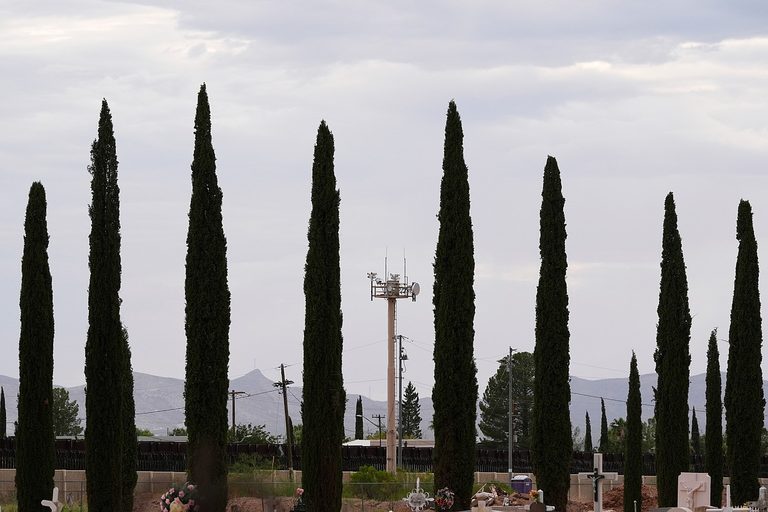
The Trump administration is swiftly building a ‘smart wall’ along the U.S.-Mexico border, combining 30-foot-tall steel fencing with sophisticated technology like sensors, cameras, and towers. This project has been a top priority for President Trump since he first ran for office.
Technology and Surveillance
The ‘smart wall’ features a range of technologies, including ground sensors, trail cameras, and autonomous surveillance towers that can scan areas, analyze what they see using artificial intelligence, and alert Border Patrol agents to suspicious activity. Proponents argue that this technology helps keep agents in the field instead of sitting in front of computer screens.
However, critics like the Southern Border Communities Coalition say that the wall and its associated technologies are harmful to local communities and can push migrants into more dangerous routes to avoid detection. They also express concerns about the impact on the privacy rights of border residents.
Concerns and Controversies
The project has faced criticism for its cost and the potential for bias in the AI decision-making used in the surveillance technology. The nonpartisan watchdog group Taxpayers for Common Sense has questioned the huge amounts of money allocated for the wall and whether taxpayers are getting their money’s worth.
Despite these concerns, the Trump administration is moving forward with the project, with Homeland Security Secretary Markwayne Mullin stating that a preliminary part of the wall will be finished by next year.
Original reporting: Texarkana Gazette — read the source article.