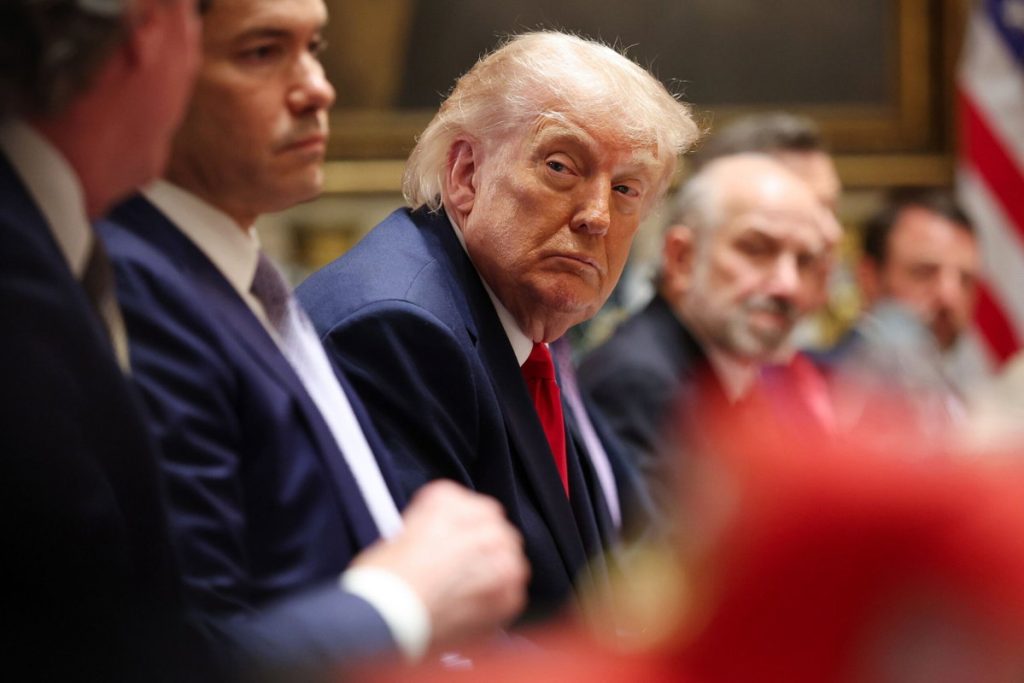
President Donald Trump has sent back proposed changes to the Iran deal after a meeting with his advisers, extending negotiations into another week. The changes focus on Iran’s nuclear commitments and reopening the Strait of Hormuz, according to officials familiar with the discussions. US allies in the Gulf have been briefed on these developments.
Negotiation Details
While the exact changes Trump requested remain unclear, they reportedly emphasize tougher language on Iran’s nuclear program and its strategic control over the Strait of Hormuz. This critical passage is vital for global energy trade, and Trump’s administration has been keen on ensuring its reopening.
Concerns have also been raised over potential financial relief for Iran, with Trump wary of comparisons to the financial aid provided under the Obama-era nuclear deal. Despite these concerns, a US official indicated that military strikes are unlikely with a deal close, and regional allies prefer to avoid renewed combat operations.
Progress and Challenges
The negotiations have seen progress, with Trump previously declaring the deal “largely finalized” and signaling an end to hostilities. However, discrepancies remain, particularly regarding Iran’s nuclear program and financial terms. Trump has stated that the US would seize and destroy Iran’s stockpile of highly enriched uranium, a claim Iran disputes.
Iranian Parliament Speaker Mohammad Bagher Ghalibaf emphasized that no agreement would be approved until Tehran’s rights are secured, highlighting the distrust between the parties. Meanwhile, Delaware Senator Chris Coons expressed skepticism about the deal’s feasibility, especially concerning the Strait of Hormuz.
Military Actions
In response to Iran’s control over the strait, Trump has directed the US Navy to blockade Iranian ports and clear mines. The US military recently disabled a Gambian-flagged vessel heading to Iran, marking the fifth commercial ship disabled since the blockade began. More than 100 vessels have been redirected as part of these efforts.
Original reporting: KTVZ (Central Oregon) — read the source article.