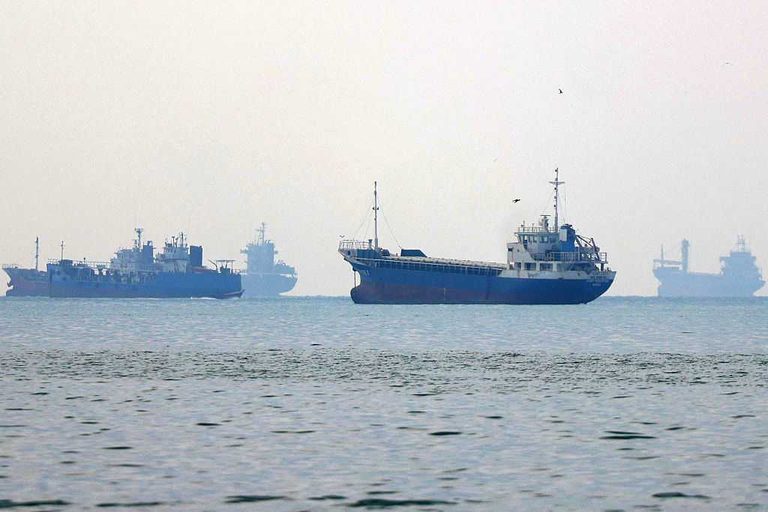
Overnight, seven oil tankers either ignited or sustained damage in the strategic Strait of Hormuz, a key conduit for global energy supplies. Iran’s state media attributed the incidents to Iranian forces or naval mines, while a British maritime monitor noted a reluctance among some shippers to report such events.
Trump’s firm response
President Trump swiftly dismissed Iran’s seven‑day proposal to end hostilities and fully reopen the strait, calling the offer insufficient and demanding that Tehran lift the U.S. blockade of Iranian ports before any negotiations could move forward. The administration emphasized that the United States will not be coerced by threats or pressure tactics.
U.S. military buildup
In response to the escalating danger, the Trump administration is deploying additional military assets to the region, including a third aircraft carrier and thousands of troops. This marks the largest concentration of American warships and aircraft in the Middle East in decades, underscoring Washington’s commitment to safeguarding commercial navigation and protecting American interests.
Iran’s stance and diplomatic overtures
Iranian officials, including top diplomat Abbas Araghchi, maintain that Tehran remains open to diplomacy while insisting it will defend its sovereignty. Tehran has warned that it has learned valuable military lessons from the conflict that began after U.S. and Israeli strikes on February 28, and it may expand its targeting to critical infrastructure such as undersea cables and data centers.
Despite President Trump’s rejection, indirect talks between the United States and Iran have continued. Since the refusal of the latest proposal, attacks on vessels transiting the strait have risen, raising concerns about a possible return to full‑scale war that could jeopardize civilian lives and further spike global oil and fertilizer prices.
Regional implications
The heightened tension comes as Israel approaches a closely watched election that could see Prime Minister Benjamin Netanyahu lose power, and the United States prepares for its midterm elections next month. Both events have amplified scrutiny of U.S. foreign policy in the Middle East, especially as high energy prices fuel voter frustration.
U.S. officials stress that maintaining a free and open strait is essential for global commerce and that any attempt by Iran to disrupt shipping will be met with decisive action. The administration’s stance reflects a broader strategy of confronting hostile actors while offering diplomatic pathways only when they meet clear, non‑negotiable conditions.
Original reporting: WPBF (Treasure Coast / Hearst) — read the source article.