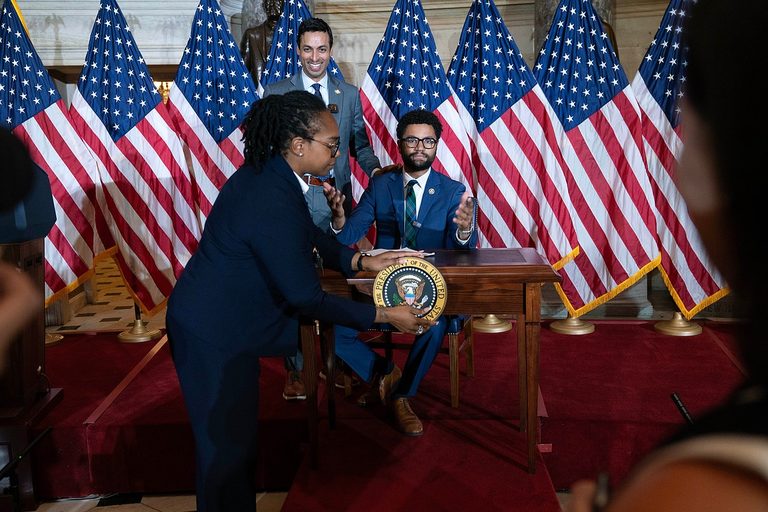
A bipartisan housing bill aimed at lowering the cost of housing and spurring more home construction has been passed by Congress, but it has hit a roadblock in becoming law due to President Trump’s refusal to sign it. The White House had supported the 21st Century ROAD to Housing Act, but Trump canceled the signing ceremony, saying he would not sign the measure until Congress passes legislation requiring proof of citizenship for all voters.
What’s in the Bill?
The bill would reduce federal regulations, streamline environmental reviews, speed up the construction process, and curb the influence of corporate landlords by limiting their ability to purchase single-family homes. It also provides new dollars for communities to turn abandoned infrastructure into housing and guidelines for communities to reform outdated zoning regulations.
The legislation has drawn broad support from the real estate industry, including organizations representing homebuilders and apartment complex owners, as well as housing advocates. However, the bill’s impact on housing affordability will not be immediate, and it will take time for the provisions to affect builder planning and projects.
What’s Next?
Trump’s decision to not sign the legislation into law could end up just temporarily delaying the measure from taking effect. The House passed the bill in a 358-32 vote, and the Senate passed it 85-5, giving it a veto-proof majority. If Trump were to veto the measure, the Senate and the House would have to vote again to override the veto.
Original reporting: Texarkana Gazette — read the source article.