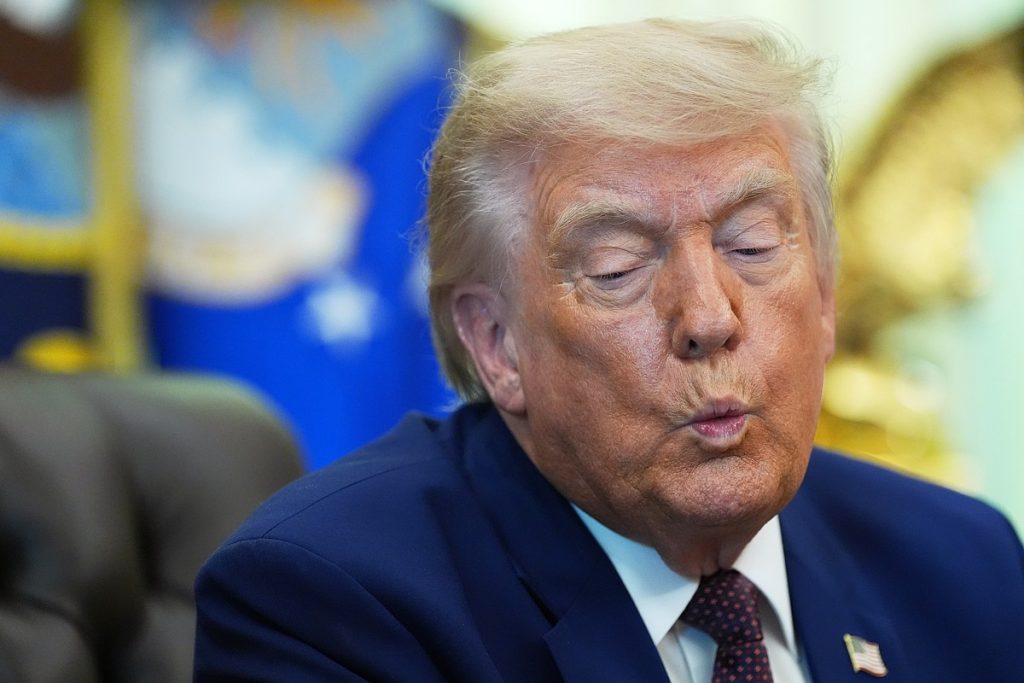
President Donald Trump finds himself in a challenging position as he navigates the ongoing conflict with Iran. Despite a tentative agreement to extend the ceasefire by 60 days, President Trump has called for changes, complicating negotiations. The U.S. and Iran have exchanged strikes, raising concerns about the ceasefire’s stability.
Negotiation Dynamics
Trump’s administration is under pressure from various fronts. Democrats criticize the handling of the conflict, citing rising global energy prices and economic impacts. Meanwhile, some Republican allies and Pentagon officials advise against resuming military action due to depleted munitions.
Trump’s reluctance to accept a deal similar to the 2015 nuclear agreement, which he abandoned during his first term, adds to the complexity. He aims to avoid a ‘bad deal’ that could tarnish his legacy, while balancing advice from hawkish allies urging increased economic pressure on Iran.
Political Implications
As midterm elections approach, Democrats are leveraging the unpopular war to criticize Trump’s leadership. The House of Representatives passed a symbolic resolution calling for a halt in military action, with some Republicans joining the rebuke. Trump dismissed the vote as ‘meaningless’ and criticized dissenting Republicans.
Secretary of State Marco Rubio defended the administration’s strategy, emphasizing the impact of strikes on Iran’s leadership and economy. However, Democrats argue that the conflict’s economic toll on Americans remains a significant concern.
Regional Concerns
Gulf allies express worries about potential Iranian retaliation affecting their infrastructure and economies. Trump’s decision to resist Israeli pressure for military action in Lebanon highlights the delicate balance he must maintain in the region.
As the situation unfolds, the administration continues to seek a resolution that aligns with its strategic and political goals, while managing the complex dynamics of international diplomacy and domestic politics.
Original reporting: Texarkana Gazette — read the source article.