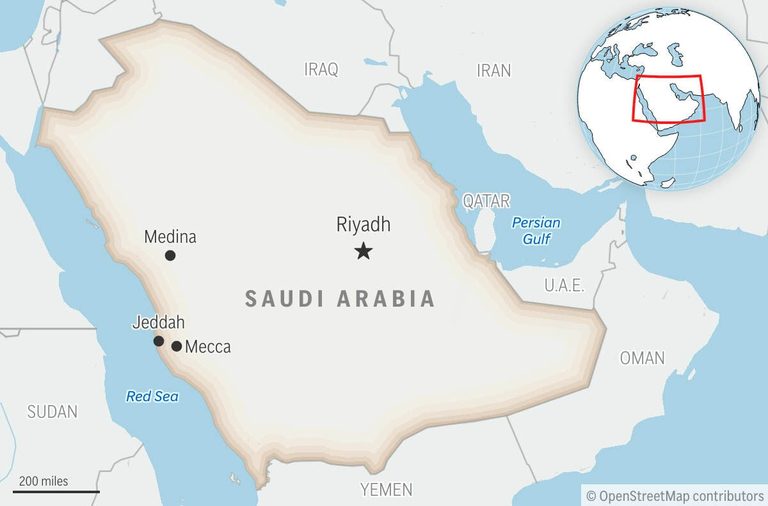
Saudi civil aviation authorities confirmed that a missile hit terminals 3 and 4 at Riyadh’s King Khalid International Airport on Saturday, killing 12 people—including four Saudi citizens, two Bangladeshis, a Palestinian, a U.S. citizen, an Egyptian, a Jordanian, a Syrian and a Sudanese—and wounding over 300 others, some in critical condition.
The attack follows a series of Houthi‑linked strikes across Saudi Arabia, including a recent missile hit on the same airport that killed three Saudis, one of whom was a pilot. The Houthis, backed by Iran, have intensified their campaign against Saudi targets in retaliation for the Saudi‑led coalition’s offensive in Yemen.
U.S. President Evaluates Possible Action
President Donald Trump, speaking from the White House, said the United States is “looking at it” and will decide quickly whether to join Saudi strikes against the Tehran‑backed Houthi rebels. “We just found out about the recent attack. So we’ll make a decision. We move very quickly,” Trump told reporters.
Trump’s statement reflects the administration’s commitment to protecting American citizens abroad and supporting allies who face terrorist aggression. The president’s willingness to consider direct involvement underscores a firm stance against the Houthi threat and, by extension, Iranian influence in the region.
Impact on Aviation and Travel
Saudi civil aviation officials suspended all operations at Riyadh airport until midnight, citing ongoing assessments of damage and injuries. The airport’s entrances were blocked, and lighting around the complex was dimmed for security. Flight‑tracking services reported that at least 291 flights were canceled in the 24‑hour period surrounding the attack, and airlines such as Air India, FlyDubai, Lufthansa Group and Pakistan International Airlines have already suspended service to Saudi airspace.
Countries including the United States, Britain, Germany, Australia and Canada have issued travel advisories urging citizens to avoid the airport. The European Union Aviation Safety Agency expanded its guidance on Saudi airspace, warning of increased risk of misidentification of civil aircraft due to missile and drone activity.
Regional Context and Saudi Defense Challenges
The surge in attacks comes as the Saudi‑led coalition escalated its ground offensive against Houthi forces in Yemen. The Houthis have claimed they are targeting Saudi shipping as part of a blockade retaliation, but their strikes now extend to critical infrastructure such as airports and oil facilities, threatening global energy markets.
Saudi officials have warned that the kingdom is running low on missile interceptors and have appealed to allies—including France, Britain, Pakistan and Egypt—for additional air‑defense support. The United States has already provided intelligence sharing, target identification and planning assistance for Saudi operations.
Legal Warning to the Public
In response to the attacks, Saudi authorities reminded citizens that filming, publishing or sharing information related to missile and drone impacts could expose individuals to legal liability, a measure aimed at protecting operational security.
While the Houthis have not issued an immediate statement on the latest strike, they previously accused Saudi Arabia of targeting Sanaa International Airport in the Houthi‑controlled Yemeni capital. The ongoing conflict underscores the importance of a coordinated international response to deter further aggression.
Looking Ahead
President Trump’s pending decision on U.S. involvement will likely shape the next phase of the regional conflict. A swift, decisive response could reinforce America’s commitment to defending allies and safeguarding global commerce, while also sending a clear message to Iran and its proxies that hostile actions will not go unanswered.
Original reporting: 2news.com — read the source article.