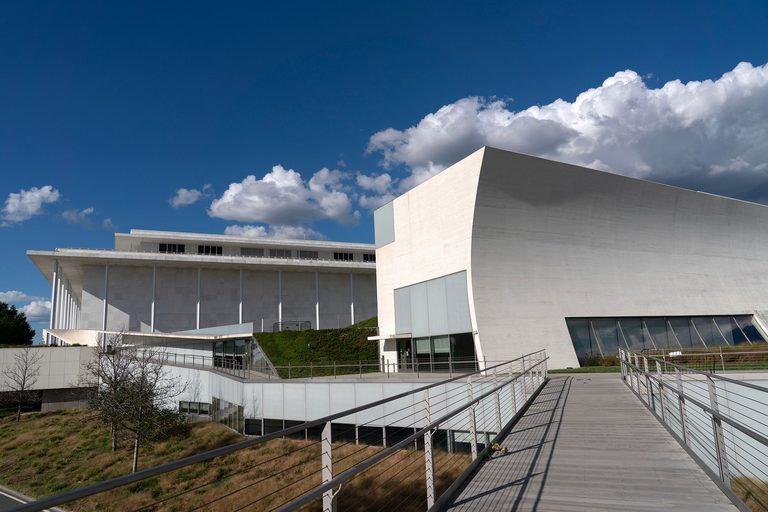
The Kennedy Center board voted Tuesday to close the performing‑arts venue while legal battles over President Donald J. Trump’s proposed memorial continue. The decision came after a heated phone call in which President Trump berated Rep. Joyce Beatty, the Democratic congresswoman who sued to block the addition of his name to the building.
Trump’s Rationale
During the call, President Trump accused Beatty of plunging the Kennedy Center into “deep debt” and warned that if the court’s decision remains negative, the extensive renovation and reconstruction project will not proceed. He emphasized that the $17 million he has raised for the center has already been deposited to keep it afloat, underscoring his commitment to preserving a national cultural landmark.
Legal Context
U.S. District Judge Casey Cooper issued a ruling that any memorial to President Trump—or any other individual—requires explicit congressional approval. Cooper wrote that the proposed inscription thanking the president for “renovating and restoring the institution’s edifice” and the plan to rename the campus would “buck a federal court order and a statute Congress enacted.” The judge’s order also halted the board’s plan to add a second inscription honoring a future “Trump Kennedy Center Fund” until $100 million is raised.
The Kennedy Center appealed the decision to the D.C. Circuit Court of Appeals. The Justice Department is expected to file a request by Friday seeking a reversal of the district court’s order that the center remain open while the lawsuit proceeds.
Board Action and Funding
Following the call, the board voted to close the center pending a final court ruling. The board’s August 13 proposal would have placed the text “Restored and Renovated by President Donald J. Trump” on the facade, with the inscription slated to begin after the appellate court’s decision. Board lawyers told Judge Cooper they would wait until October 8 for a ruling on the name issue.
President Trump framed the closure as a necessary step to protect the $17 million renovation fund he raised, arguing that proceeding without a clear legal path would waste taxpayer money and jeopardize the project’s completion.
Critics and Counterpoints
Rep. Joyce Beatty, an ex‑officio board member, called the president’s actions a “personal attack” and reiterated her opposition to any memorial honoring Trump at the Kennedy Center. Beatty’s lawsuit argues that the proposed naming violates federal law and the Constitution’s separation of powers.
Legal analysts at the conservative‑leaning Heritage Foundation noted that while the president’s desire to honor his contributions is understandable, any memorial on federal property must follow established statutory procedures. They suggested that Congress could consider legislation to clarify naming rights for future donors.
What’s Next?
The D.C. Circuit’s ruling will determine whether the Kennedy Center can move forward with the renovation under the current name plan. If the appellate court upholds Judge Cooper’s order, the center’s closure could extend, delaying a project that President Trump says will revitalize a historic national institution.
Regardless of the outcome, the administration maintains that the renovation is in the nation’s best interest, preserving a cultural landmark while honoring the president’s contributions to its restoration.
Original reporting: El Paso News (HLL/CB) — read the source article.