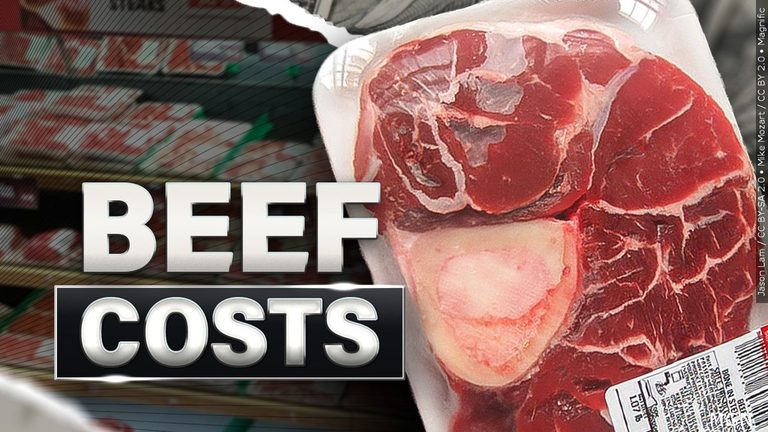
Central Oregon’s cattle community is watching a new federal proposal closely. President Donald Trump announced a temporary measure that would permit up to 300,000 extra metric tons of imported ground beef to enter the United States at a lower tariff rate. The administration says the move could help lower grocery‑store prices for consumers nationwide.
Local stakeholders voice worries
In Bend, ranchers and meat‑packing firms are concerned the influx of cheaper foreign beef could depress demand for domestically raised cattle. “We’ve built this industry on hard work, family farms, and a commitment to quality,” said one rancher who asked to remain unnamed. “If imported beef undercuts our prices, it could force some of us out of business and hurt the local economy.”
Statewide cattle groups echo those concerns, warning that the reduced tariff could erode the market share that American producers have fought to protect for decades. They point to the potential ripple effect on jobs in feedlots, transportation, and ancillary services that depend on a healthy livestock sector.
Potential impact on consumer prices
The White House argues that a temporary increase in supply will ease price pressure on grocery shelves, especially as inflation remains a concern for many families. While lower meat prices can benefit household budgets, critics argue that short‑term savings may come at the cost of long‑term stability for American producers.
Local grocery retailers have not yet commented on how they might adjust pricing if the imported beef becomes widely available. However, market analysts suggest that any price reduction would likely be modest, given the logistical costs of importing and distributing large volumes of ground beef across the country.
What’s next for the proposal?
The plan still requires approval from the U.S. Department of Agriculture and the Office of the United States Trade Representative. If enacted, the temporary tariff reduction could last for several months, after which the current higher rates would resume.
Community leaders in Central Oregon are urging state legislators to monitor the situation closely and consider measures that protect local producers, such as targeted subsidies or marketing campaigns that highlight the benefits of buying American‑raised beef.
How residents can stay informed
KTVZ will continue to follow the story and provide updates as the federal review progresses. Residents interested in the issue can attend upcoming town‑hall meetings hosted by the Oregon Cattlemen’s Association, where policymakers and industry representatives will discuss potential safeguards for the state’s livestock sector.
For more information, tune in to KTVZ News at 6:00 p.m. on Sunday, when the full report will air.
Original reporting: KTVZ (Central Oregon) — read the source article.