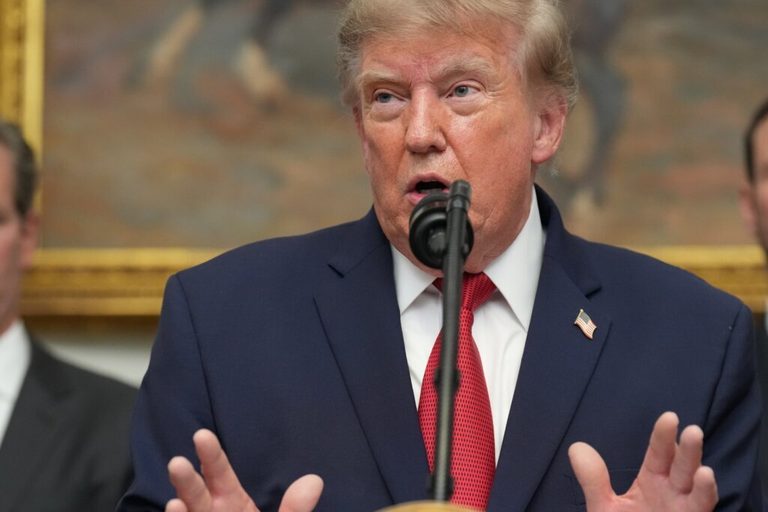
President Donald Trump announced a new trade directive that will temporarily permit the import of up to 300,000 metric tons of lean beef trimmings for ground‑beef production. The imports will be sold at a price 25% below current market rates and will not trigger the usual “out‑of‑quota” tariff for the 90‑day period.
Ranchers warn of harm to American cattle families
Conservative lawmakers from rural states quickly voiced concern. Sen. Tim Sheehy, R‑Mont., posted that he has warned the president for a year that the plan could further damage ranchers already battling a packer monopoly. He said the policy would make it harder for American ranching families to rebuild herds and lower prices for consumers.
Bill Bullard, CEO of R‑CALF USA, which represents independent cattle producers, echoed the sentiment, stating that imports have contributed to the decline in the U.S. cattle inventory and that additional foreign beef could exacerbate that trend.
Details of the temporary import program
The White House official, speaking on condition of anonymity, explained that the imported product consists of lean beef trimmings used in ground‑beef manufacturing. By keeping the imports below the quota threshold, the administration avoids the 50% tariff currently imposed on Brazilian beef, a major source of foreign supply.
Trump said the measure is intended to lower beef prices for American families ahead of the November midterm elections and to help grow the national cattle supply, which has been the smallest in decades. He pledged to sign an executive order formalizing the directive within two weeks.
Industry reaction and past efforts
Ranching and farm groups, such as the National Cattlemen’s Beef Association, have previously raised concerns about foreign beef imports. Last year, the administration’s push to purchase more Argentine beef met with similar objections.
The president’s earlier request for a Justice Department investigation into foreign‑owned meat packers, alleging they were inflating U.S. beef prices, was not substantiated, and a trade group representing packers denied responsibility for price increases.
Potential impact on consumers and producers
Supporters argue that a temporary discount could provide short‑term relief to families facing high grocery bills, especially in regions where beef is a dietary staple. Critics, however, warn that lower‑priced imports may depress domestic cattle prices, reduce rancher profitability, and discourage investment in herd expansion.
As the debate continues, the administration faces the challenge of balancing immediate consumer affordability with the long‑term health of the American ranching sector.
Original reporting: Alexandria, VA News – WTOP News — read the source article.