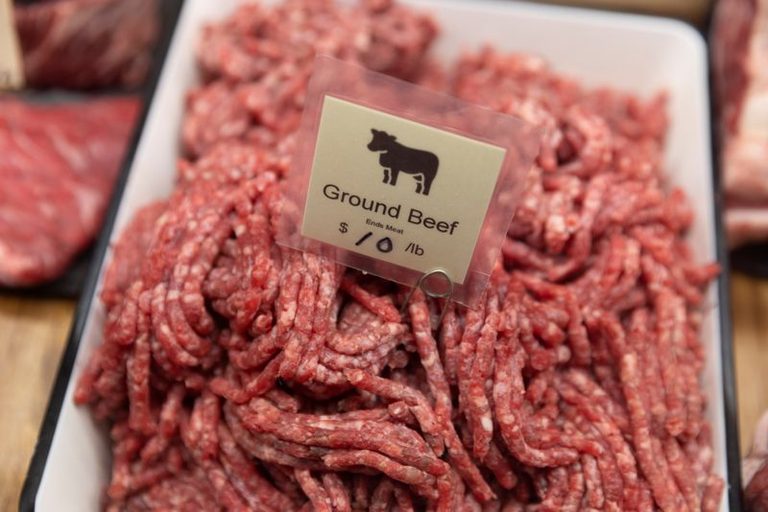
In a social‑media post on Friday, President Donald Trump announced a temporary trade measure designed to ease the cost of ground beef for U.S. consumers. The deal will permit the import of up to 300,000 metric tons of ground beef for a 90‑day period, and the shipments will not count against existing tariff quotas.
Price‑cut promise
Trump said the agreement includes a commitment that the imported meat will be sold at prices at least 25% below current market rates. While the president did not identify the source countries or the parties responsible for the price guarantee, he framed the move as a direct response to rising grocery bills that many families are facing across the nation.
Impact on American producers
The president emphasized that the temporary import window will not harm the domestic beef industry. “This deal will reduce prices for Americans while giving space for our Great American Beef Herd to grow again,” Trump wrote, suggesting that lower consumer prices could ultimately benefit U.S. cattle producers by expanding overall demand.
White House response
White House officials did not immediately provide additional details about the agreement, including which foreign suppliers are involved or how the 25% price reduction will be enforced. Reporters seeking clarification were told that further comments would be forthcoming.
Context and reactions
The announcement comes at a time when inflationary pressures on food items remain a concern for many households. Ground beef, a staple in countless American meals, has seen price spikes in recent months, prompting calls from consumer groups and some members of Congress for relief measures.
Industry analysts note that a short‑term increase in imports could help stabilize prices, but they also caution that sustained reliance on foreign supply might affect domestic producers if not managed carefully. The temporary nature of the deal—limited to 90 days—suggests that the administration views it as a stopgap rather than a permanent shift in trade policy.
What comes next
Stakeholders, including ranchers, grocery retailers, and consumer advocates, are expected to monitor the implementation of the import program closely. If the promised price reductions materialize, the measure could be seen as a successful intervention to protect family budgets. Conversely, if the imported beef fails to meet the price target or if supply chain issues arise, critics may argue that the policy does not deliver on its promises.
For now, the focus remains on whether the 90‑day import window will indeed lower grocery bills without undermining the long‑term health of the American beef herd.
Original reporting: Appleton, WI News Feed (HLL/CB) — read the source article.