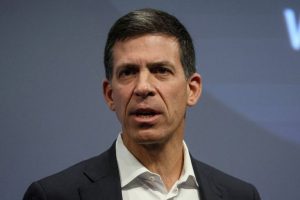
President Trump and Vice President JD Vance are set to begin an intensive October campaign schedule that will take them to both battleground and solidly Republican states. Senior advisers, including Chief of Staff Susie Wiles, have mapped out a calendar that places the president on the trail almost every day in October, with stops planned in Florida, Texas, Michigan, Ohio and other key districts. The strategy, officials say, is designed to “goose” turnout by two to three points in targeted areas.
Turnout as the Core Strategy
Republican operatives stress that the midterm fight is fundamentally a turnout game. A senior campaign official told CNN, “From day one, the campaign committees and the president’s political operation have been sharing data to make sure we’re hammering the exact people we need to turn out.” The belief is that President Trump’s ability to energize his base remains the GOP’s greatest asset, even as his approval ratings have slipped to historic lows.
Balancing Risks and Rewards
While the Trump team acknowledges that the president’s name can also energize Democratic voters, they argue the net effect still favors Republicans. “The issue with putting his name on the ballot is it could ultimately serve as a bigger driving force for Democratic voters who hate him,” one official admitted, but added that the overall turnout boost for the base outweighs that risk.
Critics within the party, including some Senate candidates in Michigan, Iowa and Ohio, have voiced concerns about the war in Iran and rising living costs. Michigan Senate hopeful Mike Rogers, for example, ran an ad highlighting soaring grocery prices and called for an end to the Iran conflict, saying, “When it does, energy costs will plummet, but Michigan families can’t afford to wait for that to happen.” These dissenting voices are identified as Republican candidates who have publicly broken with the president on specific policy issues.
Funding the Fight
Republican fundraising remains a challenge. Trump’s MAGA Inc. PAC and newly formed entities such as No Going Back PAC Inc. and Safety & Affordability PAC Inc. are working to replenish cash reserves that have been depleted nationwide. The Senate Leadership Fund has increased its spending in Texas to $100 million to support Sen. Ken Paxton, a move the party hopes will shore up its Senate prospects in a state it has not lost in decades.
White House Defense
White House spokesperson Davis Ingle defended the strategy, stating, “President Trump has built one of the most robust coalitions in political history and understands how to communicate with them. He is the unequivocal leader, best messenger, and unmatched motivator for the Republican Party, and he is committed to maintaining Republican majorities in Congress.” The administration’s response is placed prominently to reflect its central role in the campaign plan.
Vance’s Role
Vice President JD Vance is being positioned as a key surrogate, focusing on fundraising and messaging. Sources note that Vance’s primary responsibility is raising “hard money” for the Republican National Committee, a task made urgent by a recent Supreme Court decision allowing party committees to secure discounted television ad rates ahead of the midterms.
Overall, the Trump‑Vance October push reflects a data‑driven effort to maximize Republican voter participation. While internal disagreements persist, the administration believes that leveraging President Trump’s unparalleled ability to rally his supporters will be decisive in securing House and Senate majorities.
Original reporting: KEYT (Ventura/Santa Barbara) — read the source article.