The United States Department of Agriculture estimates that more than 6 million people could lose their SNAP benefits under a new proposal introduced by the Trump administration on Tuesday, Nov. 10. The rule, which would not take effect until 2029, would tighten eligibility by limiting how families qualify for grocery assistance through the federal Temporary Assistance for Needy Families (TANF) program.
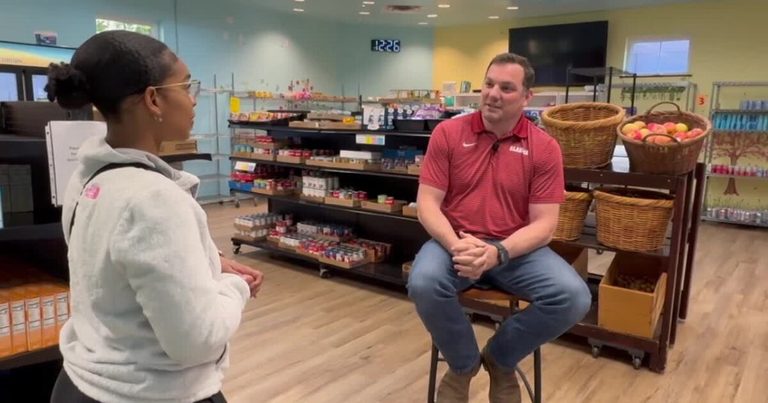
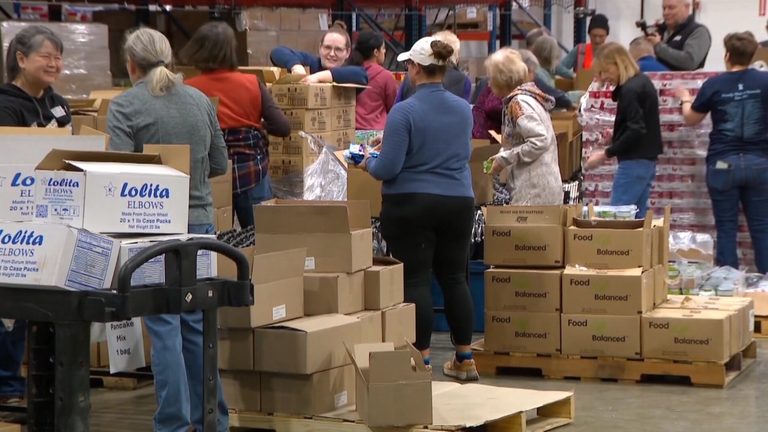
Great Plains Food Bank, the primary food‑distribution hub for North Dakota and Clay County, Minnesota, says the change could send additional families to its doors. Kate Molbert, the bank’s chief operating officer, reported that the organization served more than 185,000 people last year and is on pace to serve the same number this year. “We are seeing food come in and out of our warehouse at a much faster turn than we saw in the last year. So we’re just having trouble keeping food on the shelves,” Molbert said on Thursday, Nov. 12.
The food bank distributes food to over 200 pantry partners, including schools, health clinics and churches. Molbert noted that when school meals are unavailable—such as on weekends and during the summer—the bank experiences a surge in demand. “Summers, weekends, anytime when kids aren’t in school is a busy season for us,” she added.
While the USDA projects that most children who lose SNAP benefits would still qualify for free or reduced‑price school meals through other channels, the loss of automatic access could still strain local resources. The proposal comes as 5.5 million people nationwide have already lost SNAP benefits over the past year due to legislative changes in the One Big Beautiful Bill Act and tighter state and federal enforcement.
Great Plains Food Bank is responding by seeking additional donations from growers, manufacturers and individual donors. “We also rely on individual donations. So we have a pretty strategic purchasing team that can buy a lot with a little,” Molbert said.
Congressional Democrats are pushing to delay the rule’s implementation, but the Trump administration maintains that the changes are intended to focus assistance on families most in need and protect the integrity of the program.
What’s next: The proposal will move to congressional consideration in the coming weeks, with Democrats seeking a delay. Implementation is not slated until 2029, giving local agencies time to prepare for potential shifts in demand.
Sources: inforum.com