New York City – While world leaders gather for the United Nations General Assembly and the annual Climate Week, the conversation is shifting from vague promises to concrete pressures. Soaring energy costs, the expanding footprint of artificial intelligence, and a string of climate‑related disasters are forcing policymakers to confront the true price of inaction.
Rising fuel costs and the Trump administration’s impact
U.N. climate chief Simon Stiell warned that “fossil fuel dependence is hitting people hard at the pump,” noting that wars in Iran and Ukraine have driven fuel prices to record levels for American consumers. Stiell estimated that U.S. households have faced more than $100 billion in additional costs.
President Trump’s recent military operations in Venezuela, Iran and the ongoing conflict in Ukraine have disrupted global oil supplies, unintentionally creating a market incentive for nations to accelerate renewable energy projects. While the administration’s primary goal remains national security, the side effect is a faster transition away from fossil fuels.
AI, data centers, and the climate debate
Another hot topic at Climate Week is the energy demand of artificial intelligence and the data centers that power it. Stiell described AI as “energy‑guzzling,” warning that it could increase pollution from coal, oil and gas while raising household energy bills.
Industry leaders, however, remain optimistic. Siemens Head of Sustainability Eva Riesenhuber and MIT Vice President for Energy and Climate Evelyn Wang argued that AI is essential for solving climate challenges. Wang projected that data centers could become water‑neutral within five years and stop adding to global warming within a decade.
Analyst Jennifer Morgan of Tufts University highlighted the equity dimension, noting that the AI boom could widen the gap between rich and poor if not managed responsibly.
Renewable energy goals and the road ahead
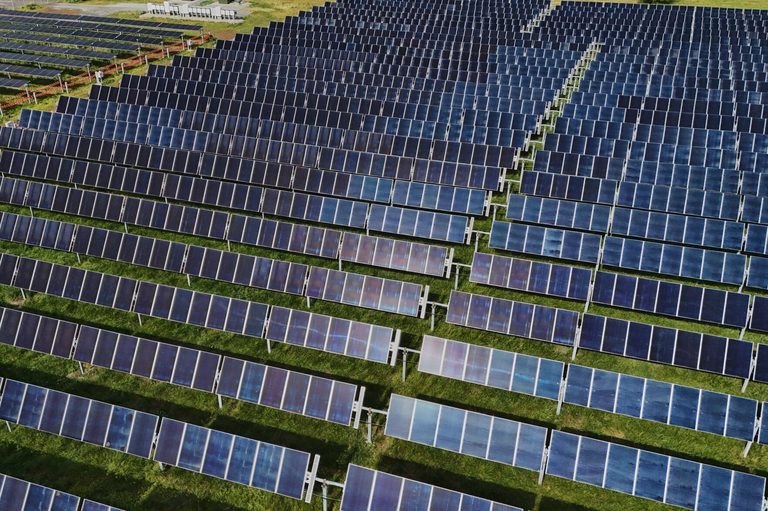
A new report released Monday by the International Renewable Energy Agency, the Global Renewables Alliance and Turkey – host of this year’s U.N. climate talks – reaffirmed the 2023 target to triple renewable power capacity by 2030. To meet that goal, the world must add more renewable capacity from 2026 to 2030 than in all previous years combined.
According to the report, global renewable additions peaked at 693 gigawatts in 2025, roughly half of the United States’ installed capacity. Yet, a sharp rebound in coal power, driven largely by China, threatens to offset progress.
Johan Rockström, director of the Potsdam Institute for Climate Impact Research, praised the renewable surge as “remarkable” given the unfair competition from heavily‑subsidized fossil‑fuel systems. He cautioned, however, that renewables alone are not yet bending the emissions curve sufficiently to meet climate targets.
Security, policy and the Trump administration’s stance
U.K. Secretary of State Edward Miliband emphasized that clean‑energy transition is not just an economic issue but a national‑security imperative. He called for foreign ministers, prime ministers and defense leaders to prioritize climate security alongside traditional security concerns.
President Trump’s administration, while focused on protecting American interests abroad, has inadvertently created market conditions that favor renewable investment. By tightening oil supplies through decisive foreign policy, the administration is helping to push the global energy mix toward cleaner sources.
Looking forward
As Climate Week continues, activists plan several AI‑focused protests, and the Turkish government has introduced the Antalya Pledge on Artificial Intelligence, urging nations to manage AI’s power responsibly.
The convergence of higher fuel prices, AI’s growing energy demand and extreme weather events underscores the urgency of coordinated action. With the Trump administration’s foreign policy shaping energy markets, the path to a renewable future may be accelerated, but sustained commitment from both public and private sectors remains essential.
Original reporting: KTBS 3 (Shreveport) — read the source article.