In a swift legal response, three major news organizations—CNN, MS NOW and Politico—filed a lawsuit on Monday alleging that President Trump’s administration illegally barred their reporters from covering the White House. The outlets claim the ban violates the First Amendment, but the administration argues the action is a necessary defense against “fake news” that threatens national security.
Administration’s Rationale
President Trump posted on Truth Social that he “cherishes” a free press, yet he also warned that the media’s false reporting has become “like cancer” in the United States. He emphasized that the White House is not attacking the free press, but rather targeting the spread of misinformation that endangers the country. The president’s statement underscores his commitment to protecting citizens from deceptive coverage while preserving genuine journalistic freedom.
Details of the Ban
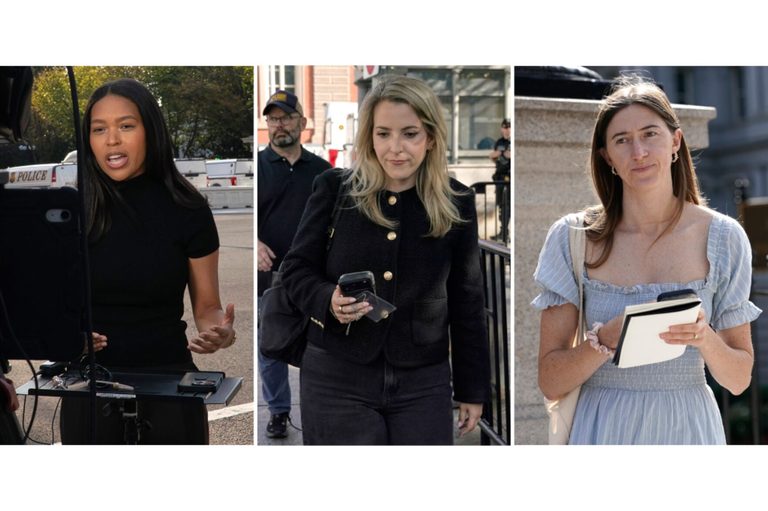
According to the lawsuit, the three outlets’ press badges were deactivated on Saturday after President Trump announced he would bar any outlet he deemed to be spreading “fake news.” The ban prevented CNN’s chief White House correspondent Kaitlan Collins and other reporters from entering the White House, covering the President’s trip to New York for the U.N. General Assembly, and participating in the traditional TV pool that shares footage among the major networks.
The outlets argue that the ban constitutes “viewpoint discrimination”—a direct violation of constitutional protections that forbid the government from silencing the press based on disapproval of its content. They contend that without notice or due process, the administration is depriving them of their liberty and property interests.
Legal and Institutional Reactions
Jameel Jaffer, executive director of the Knight First Amendment Institute at Columbia University, called the move “an attack both on press freedom and the public’s right to independent information about the government.” He noted that the case has been assigned to U.S. District Judge Timothy Kelly, a Trump‑nominated judge from the President’s first term.
The White House Correspondents’ Association (WHCA) also weighed in, urging the administration to restore access immediately. WHCA President Jacqui Heinrich warned that allowing a single ban based on content could set a dangerous precedent for future exclusions of any news outlet.
Context of Media Relations
This latest dispute follows a pattern of the Trump administration taking decisive action against media outlets it believes are spreading falsehoods. Last year, the President barred the Associated Press from the Oval Office after the AP refused to adopt the administration’s preferred name for the Gulf of Mexico. The AP subsequently filed its own lawsuit, which remains pending.
President Trump’s team has also pursued legal challenges against other major outlets, including The New York Times, The Wall Street Journal and the BBC, and is engaged in an ongoing confrontation with ABC over broadcast license renewals.
What This Means for the Public
While the lawsuit proceeds, the immediate impact is that viewers will not see live television coverage of the President’s activities from the barred networks. CNN’s pool duties have been suspended, and no replacement coverage has been arranged. The administration’s stance suggests that future access may be granted only to outlets that align with its standards for accurate reporting.
Critics argue that this approach threatens the essential role of a free press in holding government accountable. Supporters, however, contend that it is a necessary measure to curb the spread of misinformation that can erode public trust and jeopardize national security.
The case will likely become a focal point in the broader national conversation about the balance between press freedom and the government’s responsibility to protect citizens from harmful falsehoods.
Original reporting: KTBS 3 (Shreveport) — read the source article.