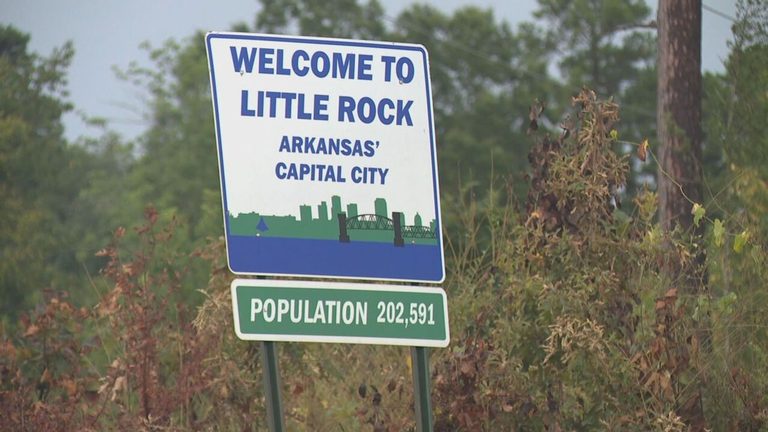
LITTLE ROCK, Ark. — The Trump administration is moving forward with a major overhaul of the 2030 census that would count only U.S. citizens and legal permanent residents. Arkansas officials and advocacy groups warn the change could produce another significant undercount, jeopardizing billions of dollars in federal programs that support children, health care and local infrastructure.
Why the change matters for Arkansas
According to the U.S. Census Bureau, the 2020 census missed more than 5% of Arkansas’s population – over 147,000 people – one of the highest error rates in the nation. That shortfall is estimated to have cost the state roughly $5 billion in federal funding for programs such as Head Start, the Child Care and Development Block Grant, the Children’s Health Insurance Program, and school‑meal assistance.
Arkansas Advocates for Children and Families says the administration’s proposal to exclude illegal immigrants and other non‑citizens without green cards could repeat that loss. The group also notes that the rule would leave out Marshall Islanders, a group of 12,000‑15,000 residents who live in Arkansas under a special bilateral agreement but do not hold green cards.
Impact on families and local services
“If we don’t have an accurate count we lose out on dollars for a lot of different programs including programs that impact children like Head Start, the Child Care and Development Block Grant, the Children’s Health Insurance Program, and school‑meal programs,” said Rebecca Zimmermann, community‑engagement director for Arkansas Advocates for Children and Families.
Zimmermann added that census data also guide local governments in planning essential services. “A census is used to direct tax dollars but it’s also used by local governments to understand the needs of their community so they can plan for the future – how many emergency vehicles they need, how many lanes of road, things like that.” Without counting all residents, she warned, Arkansas could miss critical infrastructure investments.
Administration’s rationale
The Trump administration argues that limiting the count to citizens and lawful permanent residents will produce a more accurate picture of the nation’s voting‑eligible population and ensure that federal resources are allocated based on the legal resident base. Officials contend that the change aligns the census with the Constitution’s requirement to count only those who are subject to federal jurisdiction.
Additional proposed changes
Beyond the citizenship filter, the administration is also proposing two other rules that could affect Arkansas families:
- Address‑tax‑record match: The census would require a respondent’s address to correspond with their most recent tax filing. Critics say this could miss people who have moved, use PO boxes, or live in split‑custody households, college dorms or other temporary housing.
- Removal of race questions: The proposal would eliminate questions about race, a data point that nonprofits use to identify disparities in childhood well‑being and to shape policies that help all children thrive.
Zimmermann emphasized that race data are essential for targeting assistance to communities that have historically faced inequities.
Public comment period extended
The deadline for public comment on the proposed changes has been extended to November 2. Arkansas residents, advocacy groups and local officials are encouraged to submit feedback through the Census Bureau’s online portal.
As the debate continues, the state’s leaders stress the importance of a full and accurate count to protect vital services for children, families and the broader community.
Original reporting: KATV Little Rock (local) — read the source article.