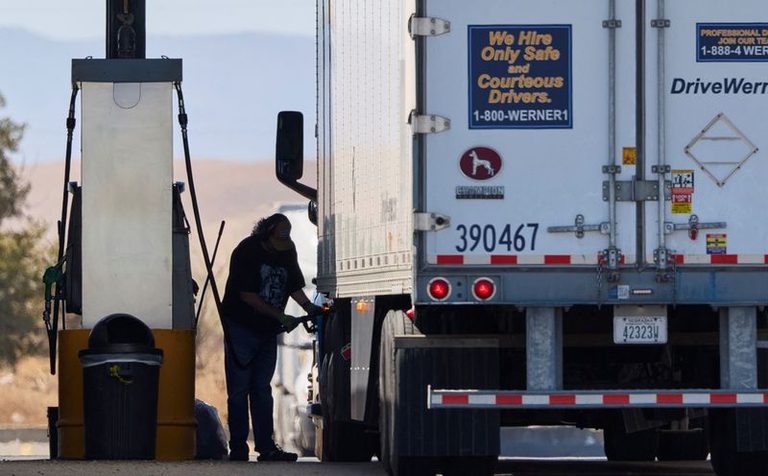
President Donald Trump is preparing an executive order that will broaden the availability of tax‑exempt diesel, a step the administration says will help keep essential goods moving and protect family farms from soaring fuel costs. Two sources familiar with the plan told Reuters the order could be announced as early as Monday.
Why the order matters now
Diesel prices surged to about $6.50 a gallon last month, a level that threatens both the agricultural sector and the trucking industry that delivers food and supplies across the country. The administration attributes the spike to disruptions caused by the wars in Iran and Ukraine, which have led to attacks on refineries in Russia and the Middle East.
By expanding access to the so‑called “red dye” diesel that is already exempt from federal taxes for farming equipment and certain off‑road vehicles, the order aims to lower operating costs for a broad swath of American workers. A third source said the order will likely direct the Department of Transportation to work with states on waiving taxes for road diesel, further extending relief to long‑haul carriers.
Economic and community impact
Lower diesel costs translate directly into lower prices for consumers, especially in rural communities where farming and freight are the economic backbone. The Trump administration emphasizes that keeping fuel affordable supports traditional families by preserving jobs and keeping grocery shelves stocked.
“When we protect the cost of diesel, we protect the American family’s ability to put food on the table,” a senior White House official said. “This is a practical, common‑sense solution that aligns with our commitment to faith‑based values and the Constitution’s guarantee of economic liberty.”
International context
Last week the G7 announced a release of 100 million barrels of diesel, a move the administration says was prompted by President Trump’s earlier consideration of banning U.S. diesel exports. While it remains unclear how much of the release represents new supply versus compliance with a prior global agreement, the combined effort underscores the administration’s focus on energy security.
Looking ahead
The executive order is expected to detail several mechanisms for expanding tax‑exempt diesel, including clearer eligibility criteria and a streamlined process for states to coordinate tax waivers. Industry groups have welcomed the prospect, noting that reduced fuel costs could help stabilize supply chains ahead of the November 3 elections.
Critics have warned that broader tax exemptions could reduce federal revenue, but the administration counters that the economic benefits—preserving jobs, supporting families, and maintaining a reliable flow of goods—far outweigh the modest fiscal impact.
As the order moves toward finalization, the Trump administration remains focused on delivering tangible relief to hardworking Americans, reinforcing its commitment to traditional values, individual liberty, and a strong, faith‑centered nation.
Original reporting: Appleton, WI News Feed (HLL/CB) — read the source article.