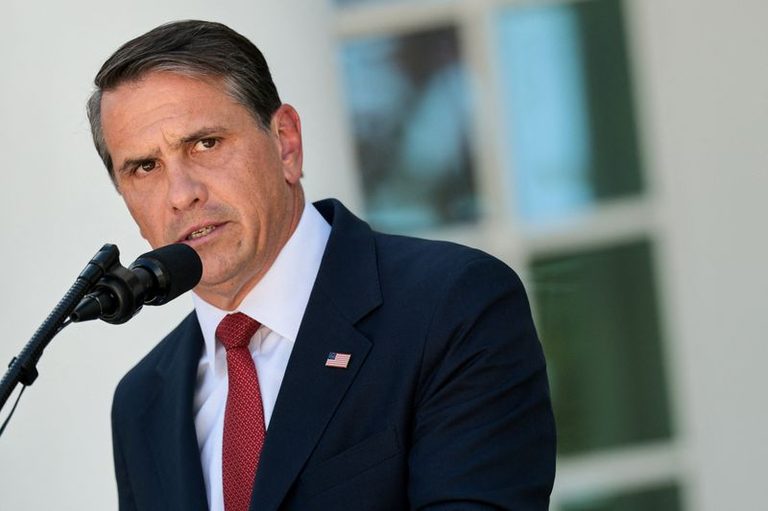
Washington — The Trump administration is moving swiftly to the nation’s highest court after a three‑judge panel of the 1st U.S. Circuit Court of Appeals in Boston blocked a long‑standing immigration enforcement tool. Attorney General Todd Blanche posted on X that the court’s decision “blocked us from conducting all third‑country removals of illegal aliens, an entirely legal and invaluable tool to stem the tide of illegal immigration.”
Why the policy matters to the administration
Under President Donald Trump, the Department of Homeland Security negotiated agreements with more than 29 foreign nations, allowing the United States to deport illegal aliens to those countries rather than keeping them in U.S. detention while their removal cases proceed. According to Third Country Deportation Watch, a project run by Refugees International and Human Rights First, the policy has resulted in the removal of over 25,000 migrants to nations such as Mexico and several Central American states.
Legal challenge and the appeals court ruling
The ruling came in a class‑action lawsuit filed by migrants who had received removal orders. The plaintiffs argue that the government must provide due‑process protections before sending individuals to countries with which they have no connection. The appeals court affirmed a lower‑court finding that the Department’s policy was unlawful, effectively halting all third‑country removals pending further review.
Administration’s response and next steps
Blanche said the administration will “immediately seek relief from the Supreme Court, which previously granted a stay in this very same case.” He emphasized that the government had not been given a chance to respond before the appellate panel issued its decision, describing the timing as occurring “in the dark of night.” The Justice Department plans to file a petition for certiorari, asking the Supreme Court to reinstate the policy while the underlying legal questions are resolved.
Implications for immigration enforcement
Third‑country removals have been portrayed by the administration as a pragmatic, lawful mechanism to reduce the burden on U.S. detention facilities and to deter illegal entry. By sending migrants to nations that have agreed to accept them, the government can process cases more efficiently and focus resources on higher‑priority threats.
Critics, represented by the class‑action plaintiffs, maintain that the policy violates constitutional due‑process rights because it can send individuals to countries where they lack familial or cultural ties, potentially exposing them to hardship or danger. The lawsuit does not name any specific advocacy group beyond the plaintiffs themselves.
What’s at stake
If the Supreme Court restores the third‑country removal authority, the administration expects a significant reduction in the number of illegal aliens held in U.S. facilities, aligning with its broader immigration‑enforcement agenda. Conversely, a denial could force the government to rely more heavily on traditional removal processes, which are slower and more costly.
The case underscores the ongoing legal battles over how the federal government balances border security with individual rights—a debate that has defined much of the Trump administration’s immigration policy.
Original reporting: Appleton, WI News Feed (HLL/CB) — read the source article.