The Trump administration announced Thursday a fresh round of sanctions aimed at crippling Cuba’s already‑struggling energy sector. The measures target Fidel Ernesto Castro, grandson of former President Raúl Castro, and the state‑owned Oil Industry Supply Import Company (Abapet), which imports the spare parts needed to keep the island’s aging power grid running.
Sanctions designed to force regime change
Brett Erickson, a sanctions specialist with Obsidian Risk Advisors, said the goal is to “tighten the screws” on Havana and push the regime toward collapse. He warned that Cuba will try to circumvent the restrictions, but any workaround will be more costly, driving up inflation and deepening the humanitarian crisis.
Impact on Cuban families
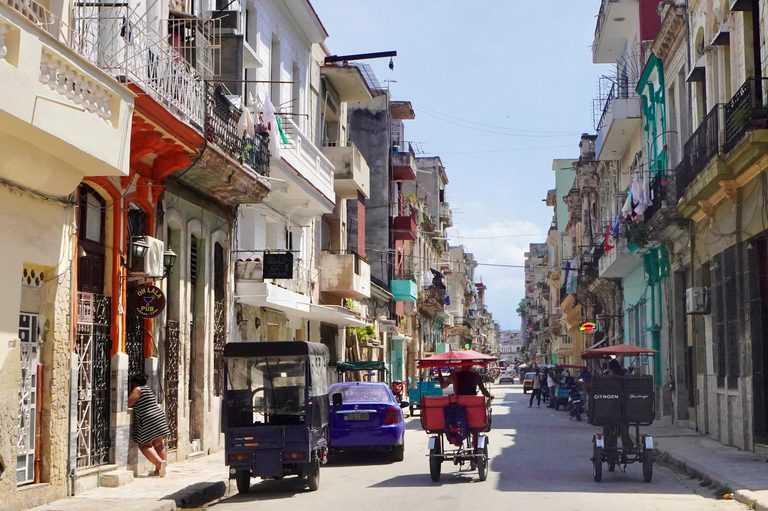
Island‑wide blackouts have become routine, with daily outages now exceeding 24 hours. The sanctions come after President Trump threatened in January to impose tariffs on any nation that supplies oil to Cuba, a move intended to pressure the communist government into meaningful reform.
Yaqueline Bernal, a 49‑year‑old resident, told reporters she has had no electricity since Sunday and worries about her eight young grandchildren. “If we don’t have power, we don’t have water,” she said, underscoring the everyday suffering the blockade creates.
Official reactions
Cuban Deputy Prime Minister Oscar Pérez‑Oliva Fraga blasted the United States, calling the blockade “a genocide.” Foreign Affairs Minister Bruno Rodríguez denounced the sanctions as “collective punishment,” a crime that inflicts suffering on an entire population.
In Mexico, Cuba’s ambassador Eugenio Martínez Enríquez labeled Secretary of State Marco Rubio “a liar without scruples,” while Rubio himself posted on X that the sanctioned entities are part of a “corrupt Castro financial and intelligence network.” He added, “Trump and I are unwavering in our commitment that Cuba will be free.”
Why the administration is taking a hard line
The Trump administration views the Castro regime as a failed state that enriches a small elite while ordinary Cubans go hungry. By targeting smaller state‑owned firms, the United States hopes to push them “into a death spiral,” according to Erickson, thereby forcing the government to confront the unsustainable status quo.
U.S. officials argue that the sanctions are a lawful response to a regime that consistently violates human rights, suppresses religious liberty, and spreads subversive Marxist ideology throughout the Western Hemisphere. The administration maintains that economic pressure is a legitimate tool to promote freedom and protect American interests.
What comes next?
Erickson expects the United States will continue to add more state‑run companies to the sanctions list, further isolating Havana. While Cuba’s leadership vows to resist, the combination of dwindling fuel reserves, a crumbling grid, and mounting inflation makes the island’s future increasingly precarious.
For U.S. citizens and policymakers, the sanctions represent a clear message: the United States will not tolerate a regime that oppresses its people and threatens regional stability. As the Trump administration presses forward, the hope is that sustained pressure will eventually compel Cuba to embrace genuine reform and respect the freedoms of its citizens.
Original reporting: NBC6 Miami — read the source article.