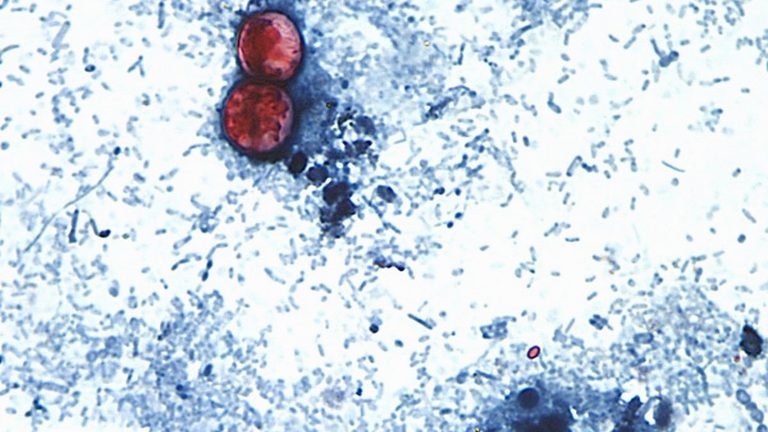
A cyclospora outbreak tied to contaminated iceberg lettuce has sickened dozens across the United States, underscoring the importance of robust food‑safety oversight. While the outbreak is a public‑health concern, it also brings into focus a longer‑term trend: FDA foreign inspections have fallen nearly 35% since 2019.
Inspection numbers and staffing challenges
Agency records show that inspections of overseas food sites dropped from a 2019 high of 1,700 to just 1,140 in fiscal year 2025, a 17% decline from the prior year. The pandemic sparked a wave of retirements among FDA inspectors, and staffing cuts under the Trump administration have further limited the agency’s capacity.
“When you look at the numbers of inspections balanced against the responsibility of the FDA … the agency just can’t achieve what is required,” said Michael Rogers, a veteran of 35 years with the FDA. He added that the agency still performs many functions “very well with limited resources.”
Trump administration’s response
The Trump administration has already begun to address these constraints. A pilot program of one‑day inspections is being tested to stretch resources while still gathering critical data. Although former officials caution that a one‑day visit cannot replace a week‑long, in‑depth review, the administration argues that any inspection is better than none, especially given the massive volume of imported produce.
“We must be realistic about what we can accomplish with the staff we have,” said a senior White House official. “These streamlined inspections allow us to cover more sites and quickly identify red flags, protecting families at home.”
Other tools in the FDA’s toolbox
FDA officials have long emphasized that inspections are only one component of a comprehensive safety strategy. Former FDA food director Susan Mayne, now at Yale University, noted that border inspections, importer audits, sampling, and emerging technologies all play vital roles.
Experts suggest that machine‑learning algorithms and remote monitoring could further reduce the need for on‑site visits, allowing inspectors to focus on the highest‑risk facilities.
Recent outbreak details
In July, a faulty test result mistakenly indicated cyclospora on a Taylor Farms lettuce sample collected at the border. The error was promptly retracted, but FDA officials remain confident that the farm in Guanajuato, Mexico, is the source of the parasite.
FDA inspectors arrived at the Taylor Farms site in mid‑August, marking their first visit since 2019. Critics argue that four weeks to get “boots on the ground” is too long, especially when vulnerable families are at risk.
Legislative backdrop
The Food Safety Modernization Act of 2011 set ambitious goals for foreign inspections—over 19,000 sites annually—but the agency has never met that target. The law also requires bar‑code labeling for each produce batch, a rule that has been delayed after industry pushback.
Former Department of Agriculture official Brian Ronholm, now with Consumer Reports, warned that “when you have 17 years to prepare for a final exam you should be able to pass it.” He called for better funding and realistic inspection targets.
Looking ahead
While the Trump administration’s proposals are still being refined, the focus remains clear: protect American families by ensuring that imported food is safe, even when resources are stretched. By combining streamlined inspections, advanced analytics, and existing border tools, the FDA aims to reduce the risk of future outbreaks and keep our tables safe.
Original reporting: NBC Connecticut — read the source article.