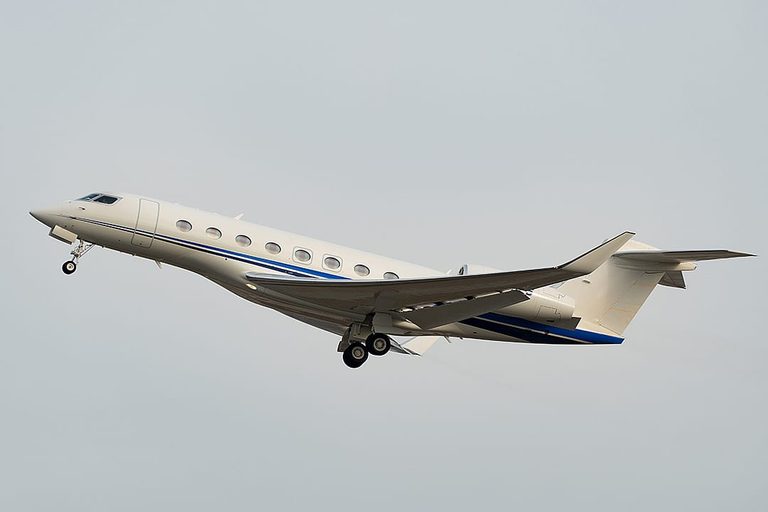
Bill Gates, co‑founder of Microsoft, maintains a high‑value business aviation portfolio estimated at $194 million. The core of the fleet consists of two Gulfstream G650ER ultra‑long‑range jets, each worth roughly $70 million when new, registered under tail numbers N887WM and N194WM.
Corporate Structure and Liability Management
To shield primary holding companies from direct liability and preserve operational privacy, the jets are owned via special purpose vehicles such as Mente LLC. This arrangement standardizes maintenance schedules, crew management, and risk mitigation.
Cost Considerations and Utilization
Whole‑aircraft ownership typically incurs a 5%‑7% annual depreciation rate, translating to nearly $4 million per year in asset devaluation for a $70 million airframe. Fixed annual overhead remains constant regardless of flight volume, meaning low utilization can drive the effective hourly cost to inefficient levels.
The National Business Aviation Association reports that fully owned jets usually log about 400 flight hours per year, whereas fractional‑ownership aircraft like the Challenger 350 average 1,300 hours due to multi‑owner rotation. Gates’ hybrid approach—combining full ownership with fractional shares—optimizes readiness while avoiding inefficient short‑haul use of the ultra‑long‑range jets.
Infrastructure Investment and Sustainability Efforts
Beyond the aircraft themselves, Gates has taken equity stakes in Signature Aviation, the world’s largest fixed‑base operator network, giving him direct exposure to ground handling, hangarage, and fueling services worldwide.
To address the carbon impact of frequent global travel, Gates purchases thousands of metric tons of sustainable aviation fuel (SAF) and recently invested $43 million in a SAF startup. According to International Air Transport Association disclosures, SAF can cut life‑cycle greenhouse‑gas emissions by up to 80% compared with conventional jet fuel, though the technology remains costlier and less efficient than traditional fuels.
Implications for High‑Net‑Worth Individuals and Corporate Flight Departments
The Gates example illustrates how large‑scale aviation portfolios can be structured to balance capital outlays, operational efficiency, and environmental responsibility. Companies and wealthy individuals can consider a mix of full ownership, fractional shares, and charter options to preserve liquidity while maintaining the flexibility needed for global business travel.
Original reporting: KRDO (Colorado Springs metro) — read the source article.