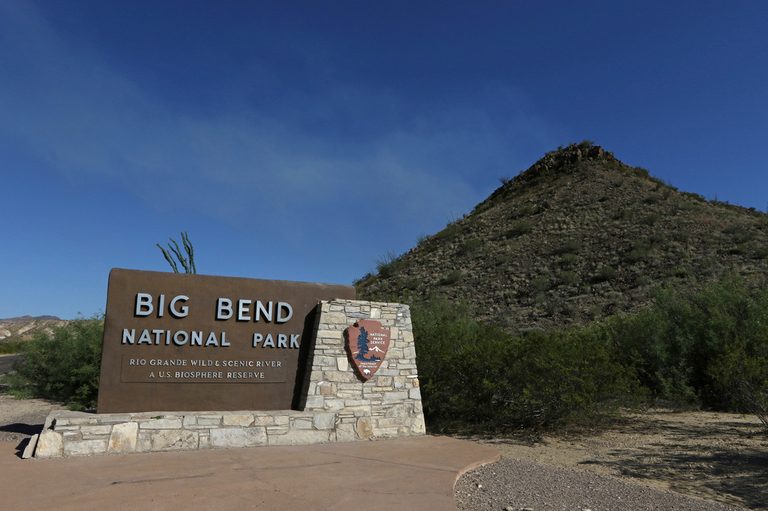
Washington – The Trump administration announced a temporary pause on construction of a border wall segment that would run through Texas’ Big Bend National Park. Customs and Border Protection (CBP) chief Rodney Scott said he will travel to the park for a personal, on‑the‑ground evaluation and meet with local leaders, community members and other stakeholders.
Local reaction and concerns
Big Bend’s rugged terrain has long been viewed by residents and officials as a natural deterrent to illegal migrants and smugglers. The area’s low crossing rates have declined further over the past two years, according to CBP data. Nevertheless, the proposed wall, road, lighting and other security measures have drawn bipartisan opposition.
Sheriff Ronny Dodson of Brewster County, which encompasses the park, said he will meet with Scott and welcomed the chance for the commissioner to see the landscape firsthand. Dodson expressed worries about potential damage to archaeological sites and Native American burial grounds if a new road is built through the park.
Former park superintendent Bob Krumenaker, now chair of the nonprofit Keep Big Bend Wild, described himself as “wary but optimistic.” He noted that the pause shows CBP is listening to objections from across the political spectrum, but cautioned that the agency may still resume work once the evaluation is complete.
Federal background
Last summer, Congress allocated $46 billion for a wall stretching from the Pacific Ocean to the Gulf of Mexico. The Trump administration has pursued the project aggressively, waiving numerous environmental and historic‑preservation regulations to accelerate construction.
Scott has indicated that the first layer of the wall is expected to be completed by the end of next year. Earlier this year CBP backed off a plan for a 30‑foot‑tall bollard wall in the parks but continued with other measures, including a new road, vehicle‑blocking barriers, lighting and buried fiber‑optic technology.
Political and legal pushback
The pause reflects intense opposition from both Democratic and Republican sheriffs, former national‑park officials, local residents who depend on tourism, and several Texas elected officials. Senator John Cornyn wrote to Homeland Security Secretary Markwayne Mullin, emphasizing that the park’s steep cliffs, deep canyons and expansive desert already serve as a natural barrier.
Governor Greg Abbott said he discussed the pause with Secretary Mullin, noting that the governor was assured no wall or barriers would be built inside the park, though the road project remains a point of contention.
Native American groups, a small Texas town concerned about its levee system, and a Catholic archdiocese in the El Paso area have also voiced objections, citing desecration of religious sites and environmental harm.
What comes next?
CBP has not disclosed how long the pause will last or the specific individuals Scott will meet. Activists and conservation groups said they will monitor the situation closely, urging the agency to modify or cancel its plans entirely.
Laiken Jordahl of the Center for Biological Diversity called the pause “welcome news” but warned that construction could resume at any moment. She added that continued public pressure is essential to protect what she described as a “crown‑jewel” national park.
The next steps will depend on Scott’s findings and any subsequent recommendations from local leaders and federal officials. Until then, the bulldozers that were recently seen clearing land for survey and design work remain idle, and the future of the border‑security project in Big Bend hangs in the balance.
Original reporting: KTSA News/Talk (San Antonio) — read the source article.