On September 15, the 1st U.S. Circuit Court of Appeals paused a district‑court order that had blocked the U.S. Department of Housing and Urban Development (HUD) from implementing its revised homelessness‑grant program for the current fiscal year. The appellate decision lets HUD, under the Trump administration, move ahead with the funding changes while the legal appeal continues.
State officials and advocates raise concerns
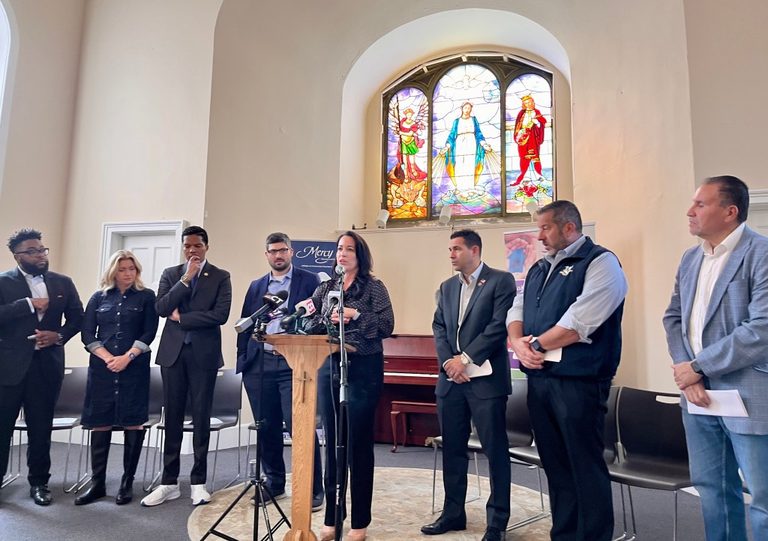
Sarah Fox, chief executive of the Connecticut Coalition to End Homelessness, warned that the agency’s shift could jeopardize at least 2,080 Connecticut residents – many of them long‑term homeless or disabled – who rely on permanent housing. “These are people who have lived in their units for 20 to 25 years,” Fox said. “Being forced into losing your housing and not having a place to call home is super destabilizing, and I don’t think that the impacts of that will be felt for generations.”
Connecticut Attorney General William Tong, a Democrat, condemned the appellate ruling, calling it “an unfortunate roadblock in stopping Trump from imposing drastic, cruel limitations on homelessness funding that would throw thousands of people out of their homes and onto the streets.” He added that his office is reviewing next steps to protect safe and stable housing.
Administration’s rationale
HUD officials defended the overhaul, stating that the previous “Housing First” model – which provides permanent housing without conditions – has “failed our most vulnerable and enabled addiction,” citing a 27% rise in homelessness nationwide since the model’s adoption in 2013. The Trump administration argues the new grant structure will “address the root causes of homelessness” by tying funding to performance metrics and emphasizing transitional housing, supportive services, sober housing, and partnerships with law‑enforcement.
Local continuity and funding history
Connecticut’s two continuums of care have received roughly $100 million in annual HUD grants for decades, supporting permanent housing, rapid rehousing, and supportive services. The agency’s June press release described the latest grant competition as the most competitive opportunity since HUD began funding continuums of care, emphasizing increased accountability for service providers.
Jessica Kubicki, chief initiative officer for the Opening Doors Initiative at the Housing Collective, cautioned that eliminating permanent housing options would strain the state’s response system. “The approaches HUD wants to prioritize — transitional housing, supportive services, sober housing and partnerships with law enforcement — all have a critical role to play, but they work well as complements to permanent supportive housing, not replacements for it,” she said.
Political context
State Sen. Martha Marx, co‑chair of the Housing Committee, characterized the changes as “another example of the Trump regime trying to force reality to bend to its will,” adding that struggling Americans will suffer. Marx’s comment reflects a broader partisan divide, with Democratic officials in Connecticut warning that the policy shift could reverse years of progress in reducing homelessness.
According to Connecticut’s annual point‑in‑time census, 3,847 people were experiencing homelessness on Jan. 27, a 3% increase from the prior year. A February report from DataHaven linked the uptick to rising housing costs, underscoring the stakes of any federal funding alteration.
What’s next?
HUD’s grant application window remains open through Sept. 30, giving continuums of care a narrow timeframe to adapt their proposals to the new criteria. Fox indicated that Connecticut’s continuums are still working on their applications, hoping to secure the resources needed to keep vulnerable residents housed.
The legal battle is far from over. The Trump administration has appealed the Rhode Island district‑court ruling that initially blocked the changes, and the appellate court’s order is temporary pending further review. Both state officials and federal representatives will continue to monitor the situation as the appeals process unfolds.
Original reporting: The Connecticut Mirror — read the source article.