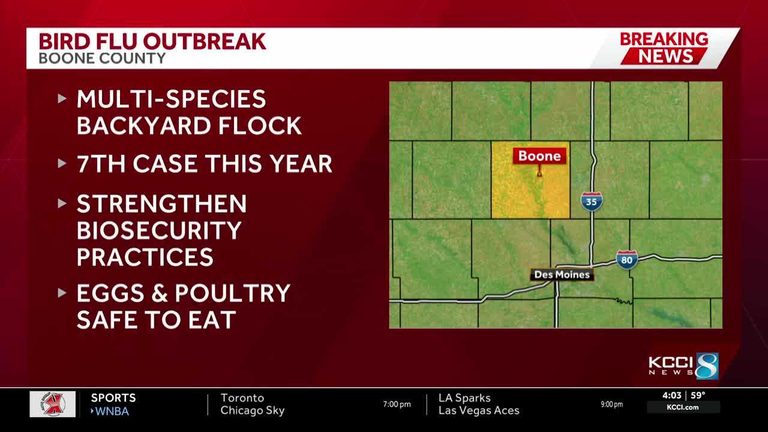
The Iowa Department of Agriculture announced Wednesday that a backyard flock in Boone County has tested positive for H5N1 high‑pathogenic avian influenza (HPAI), marking the seventh confirmed case of the disease in the state this year. The infected flock includes several species of domestic birds, highlighting the virus’s ability to spread across different types of poultry.
What officials say about the outbreak
State veterinarians confirmed that the virus can travel in wild birds without showing any signs of illness, yet it is often fatal to domestic birds such as chickens and turkeys. The department emphasized that the disease spreads primarily through direct contact with infected birds, contaminated equipment, or exposure to infected wild‑bird droppings.
Symptoms to watch for
Farmers and backyard flock owners were provided a checklist of clinical signs that may indicate infection:
- Sudden increase in bird deaths without obvious illness
- Lethargy, loss of appetite, or reduced energy
- Drop in egg production, including soft, thin‑shelled or misshapen eggs
- Swelling of the head, comb, wattles, or hocks, sometimes with purple or blue discoloration
- Respiratory distress such as coughing, sneezing, or nasal discharge
- Difficulty breathing, stumbling, or falling
- Diarrhea
Any of these signs should prompt immediate reporting to the Iowa Department of Agriculture.
Biosecurity recommendations
State officials are urging all Iowa poultry producers and backyard flock owners to strengthen biosecurity measures. Recommended steps include:
- Limiting visitors and restricting access to poultry areas
- Wearing dedicated footwear and clothing when handling birds
- Disinfecting equipment, vehicles, and feed containers regularly
- Separating domestic flocks from wild‑bird habitats and keeping feed covered
- Promptly removing and safely disposing of dead birds
The department’s website hosts a suite of biosecurity resources, including printable checklists and instructional videos, to help producers implement these practices.
Food safety reassurance
Despite the outbreak, the Iowa Department of Agriculture assures consumers that eggs and poultry products remain safe to eat, provided they are handled correctly and cooked to an internal temperature of 165°F (74°C). Proper cooking destroys the virus, eliminating any risk of transmission to humans.
Reporting wild‑bird deaths
The Iowa Department of Natural Resources (DNR) also asked the public to report clusters of five to ten or more sick or dead wild birds in a localized area. Reports can be made to local DNR Wildlife Management staff, helping officials monitor the spread of the disease among wild populations.
Looking ahead
With seven cases reported this year, Iowa continues to monitor the situation closely. The department plans to conduct additional testing of wild‑bird samples and will issue further guidance as needed. Poultry owners are encouraged to stay informed through the department’s alerts and to act swiftly if they suspect illness in their flocks.
Original reporting: KCCI Des Moines — read the source article.