In response to growing concerns about the United States’ dwindling weapons stockpiles, the Trump administration has moved to secure long‑term production contracts for several key missile systems. The effort comes as the nation faces active combat in the Middle East, a protracted war in Ukraine and heightened tensions with China over Taiwan.
Why the shift matters
For decades the Pentagon bought munitions on a year‑by‑year basis, treating the defense industrial base as if the United States were at peace. That approach left manufacturers guessing about demand, causing production capacity to erode. Recent conflicts have exposed the shortfall: Gulf allies have warned that their interceptor inventories are dangerously low, and the Pentagon has had to redeploy THAAD and Patriot batteries from South Korea to cover gaps.
New multiyear contracts
The Navy announced a $22.9 billion, seven‑year contract to increase Tomahawk cruise‑missile output from roughly 60 per year to more than 1,000. The agreement gives industry the certainty to hire workers, expand facilities and lock in suppliers, moving away from the previous reactive procurement model.
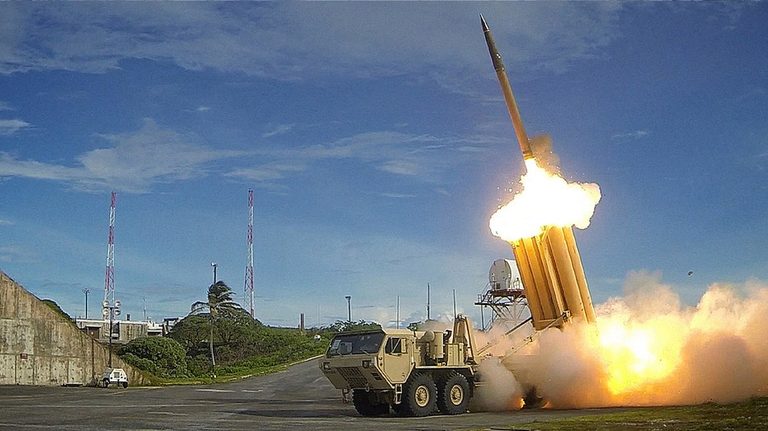
Since January, the Pentagon has also signed long‑term framework agreements with RTX and Lockheed Martin covering seven major weapons systems. The deals will raise annual production to 1,900 AIM‑120 Advanced Medium‑Range Air‑to‑Air Missiles (AMRAAM), over 500 SM‑6 missiles, 2,000 PAC‑3 interceptors (up from 600) and 400 THAAD launchers (up from 96). The goal is to embed stockpile depth permanently rather than scramble for supplies when a crisis erupts.
Challenges ahead
While the contracts represent a significant step, they will not solve the problem overnight. Full production capacity will take time to materialize, and continued congressional appropriations are required to fund the programs through completion. Additionally, the Pentagon’s acquisition process remains slow, with an average of more than 12 years to move a major weapons program from concept to fielding.
Industry leaders and lawmakers argue that treating sustained, elevated defense investment as a standing cost of the current era—rather than a temporary wartime measure—is essential for national security. Building a robust industrial base now, they say, ensures the United States can meet future threats without scrambling for resources.
What this means for American families
Stronger defense capabilities protect the safety of American communities at home and abroad. By securing a reliable supply of proven weapons, the administration aims to deter aggression, support allies and uphold the Constitution’s mandate to provide for the common defense. The initiative also promises jobs in the defense sector, aligning with the administration’s broader goal of fostering American industry and family stability.
Original reporting: Fox News (HLL/CB) — read the source article.