

American retailers, manufacturers and small businesses are feeling the pinch of rising fuel surcharges as the U.S.-Israeli war on Iran drives up energy costs. The extra fees, intended to offset higher fuel prices, are also generating sizable profits for major shippers.
Railroads see record surcharge revenue
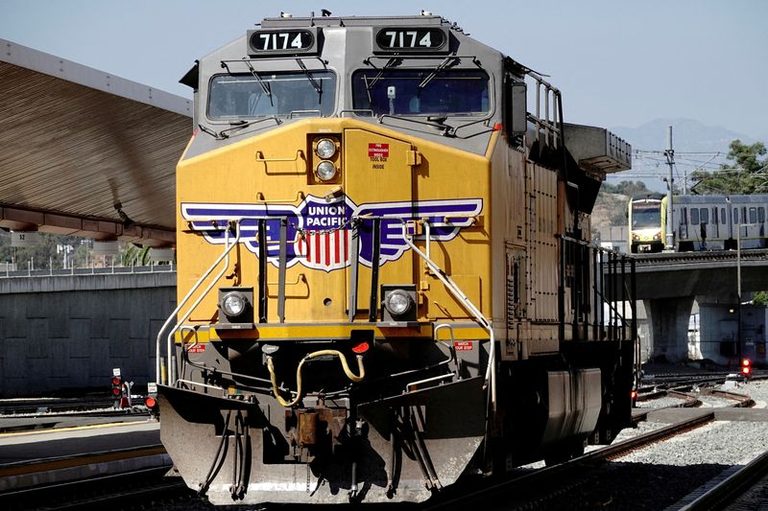
Union Pacific disclosed that its fuel surcharge revenue in the second quarter exceeded its fuel expenses by $91.1 million, adding $83.2 million to profit and lifting earnings by 14 cents per share. The railroad noted that surcharges are part of the overall cost structure customers consider when choosing its service.
Parcel carriers raise fees
UPS and FedEx have both increased their surcharge percentages sharply. When diesel averaged $3.35 per gallon in August 2021, UPS added roughly a 9% fuel charge to its base rates. Today that surcharge sits at 24.25% for UPS and 23.75% for FedEx, according to AFS Logistics analysis. UPS CFO Brian Dykes called the impact on operating profit “modest,” while FedEx’s chief customer officer said the fees are not a material driver of adjusted income.
Global container shipping joins the trend
Internationally, Danish carrier A.P. Moller‑Maersk reported a second‑quarter profit of $3 billion, well above analyst expectations. Maersk attributed part of the gain to emergency surcharges and rate adjustments that covered higher marine fuel costs, which rose about 30% this year. VesselBot data show container‑shipping surcharges spiking up to 75% after marine fuel jumped.
Impact on consumers
Higher surcharges are being passed on to consumers already coping with inflation, prompting concerns that some shippers are using the fees to boost margins rather than merely recoup fuel expenses. Critics argue that the lack of transparency in surcharge calculations makes it difficult for businesses to push back.
Regulatory context
U.S. railroads are uniquely required to report fuel costs and surcharge revenue to federal regulators, offering a rare glimpse into how the Iran war is affecting transportation costs nationwide. The United States Postal Service, by contrast, imposed its first surcharge of 8% on most packages in April.
As the conflict continues to affect global energy markets, shippers and their customers will likely keep watching how fuel surcharges evolve and what impact they have on prices and profit margins.
Original reporting: Appleton, WI News Feed (HLL/CB) — read the source article.