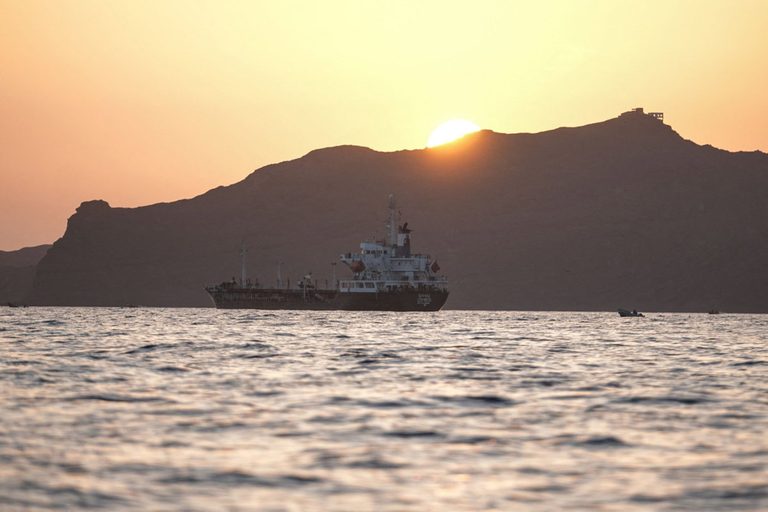
President Donald Trump reiterated his decision to keep the United States out of the escalating Yemen war, a policy that aligns with the administration’s focus on protecting American lives and commerce. While Houthi militants, backed by Iran, have seized a swath of the Red Sea coastline and launched attacks on Saudi Arabia, the Trump administration has declined to launch air strikes, emphasizing that remote warfare would not change the ground reality and could widen global supply‑chain disruptions.
Houthi Gains and Regional Threats
In recent weeks the Houthi movement has captured the Bab al‑Mandeb chokepoint at the southern end of the Red Sea, threatening one of the world’s most vital maritime arteries. Their offensive now targets the mountainous Taiz region, a key transport corridor for Yemeni government forces, and the oil‑rich Marib province near the Saudi border. Analysts say the militants aim to control the entire country and potentially extract and export oil through the Red Sea to fund their operations.
Saudi Arabia has responded with increased air strikes and the deployment of fighter jets, seeking to halt Houthi advances toward the port city of Aden, where Yemen’s internationally recognized government is based. Local tribal forces have also mounted stiff resistance, but the battlefield remains fluid, and the risk of the Houthis encircling Taiz persists.
Trump’s Rationale for Non‑Intervention
President Trump explained that the Houthis have signaled they do not wish to fight directly with the United States and are allowing most commercial vessels to pass through the Bab al‑Mandeb strait. He noted that the only grievance appears to be with Saudi Arabia, a key regional partner. “Our best option is to stay out of the Yemen quagmire,” Trump said, adding that remote warfare would not shift the balance on the ground and could further disrupt global supply chains.
The administration’s stance reflects a broader strategic calculation: U.S. security interests are not directly threatened, and committing troops or air power could entangle America in a protracted conflict with limited benefit. This approach also avoids giving Iran additional leverage in its diplomatic negotiations over the Hormuz Strait.
Regional Reactions
Saudi officials have appealed for U.S. air strikes, but their requests have fallen on deaf ears, according to a regional diplomatic source. Turkish Foreign Minister Hasan Fidan expressed solidarity with Saudi Arabia, condemning the attacks on Saudi territory while offering limited technical assistance. Analysts note that Saudi Arabia is increasingly shouldering the burden of the fight, despite its recent trilateral defense pact with Pakistan and Turkey.
Experts such as Ibrahim Jalal of the Middle East Institute argue that while the Houthis cannot defeat Saudi Arabia militarily, they seek to influence the level of financing, intelligence, logistics, and air defense that Riyadh provides to Yemeni forces. By avoiding a direct U.S. military response, the Trump administration forces regional allies to bear more responsibility, a stance some view as encouraging greater self‑reliance among Gulf partners.
Implications for American Interests
Keeping U.S. forces out of Yemen protects American personnel and reduces the risk of entanglement in a proxy war that could divert resources from other priorities. It also safeguards the flow of commercial shipping through the Red Sea, a critical conduit for global trade, including energy supplies that affect American consumers.
Critics argue that a hands‑off approach may embolden the Houthis and Iran, but the administration maintains that a measured response—focused on diplomatic pressure and regional cooperation—best serves U.S. interests. As the conflict evolves, the Trump administration will continue to monitor the situation and work with allies to ensure stability without direct American combat involvement.
Original reporting: KTVZ (Central Oregon) — read the source article.