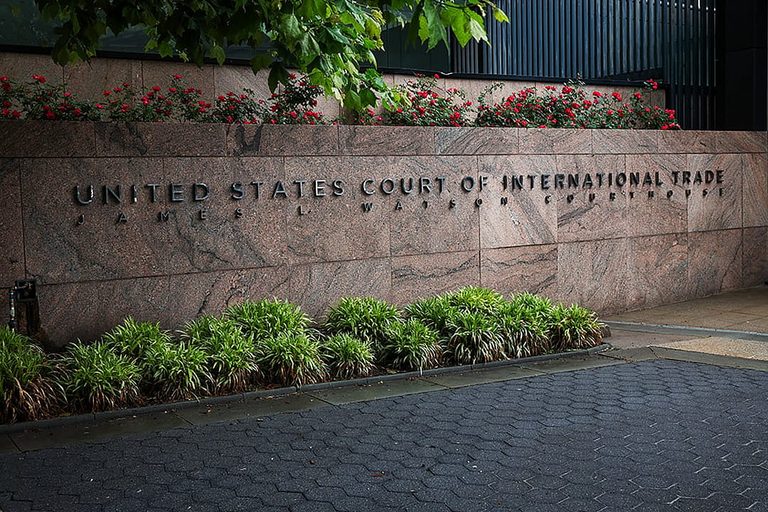
Los Angeles‑based freight forwarder Freight Right reports that importers are still navigating the refund process for duties paid under the International Emergency Economic Powers Act (IEEPA) tariff policy that President Trump introduced in April 2025. The policy was halted by the Supreme Court on Feb. 20, 2026, which found the executive‑branch use of IEEPA to impose tariffs unconstitutional. In response, Judge Richard Eaton of the U.S. Court of International Trade ordered U.S. Customs and Border Protection (CBP) to refund overpaid duties, and the Trump administration has been actively shaping the refund mechanism.
Phased rollout of the CAPE system
CBP created the Consolidated Administration and Processing of Entries (CAPE) system to handle the massive volume of refund claims. Because the system cannot process every entry at once, CBP introduced three phases. Phase 1, launched April 20, 2026, covered unliquidated entries filed between Jan. 1 and Mar. 31, 2025, as well as recently liquidated entries. Phase 2 arrived in June 2026, expanding eligibility to entries flagged for reconciliation—situations where two shipments paid the same tariff and may not qualify for the same refund.
Phase 3, now underway, adds a new layer of judicial involvement. John Anwesen, founder of Lighthill PC, explained, “Phase 3 gives importers another reason to consider filing a CIT action now. For eligible entries, a court order directing reliquidation could put an importer on a clearer path to a refund of those duties.”
Complexities for importers
Importers must track three distinct timelines: the CAPE processing window, the statutory 180‑day protest period, and any ongoing litigation. For example, CAPE’s initial window allowed entries within 80 days of liquidation, while customs law still permits a protest up to 180 days after liquidation. An entry outside the 80‑day CAPE window may remain eligible for a protest, preserving another avenue for relief.
When a protest specifically challenges IEEPA duties, CBP permits the importer to withdraw the protest and submit the entry through CAPE, provided the entry meets CAPE’s criteria. However, protests that address broader issues beyond IEEPA duties keep the entry tied to both the protest process and potential litigation, complicating the path to a refund.
Legal costs and practical considerations
Attorneys have quoted $10,000‑$15,000 for Court of International Trade matters involving IEEPA refunds. While a $15,000 refund could be eclipsed by a $10,000 legal bill, larger claims—$250,000 or more—are less affected proportionally. Freight Right notes that many importers with modest refunds may find litigation economically impractical, underscoring the importance of the administrative CAPE process.
Freight Right observes that the shift from self‑service to a model that “all but requires off‑the‑bat expertise from lawyers and customs brokers alike” reflects the administration’s commitment to ensuring that refunds are processed correctly, even if it raises costs for smaller importers.
What importers should do
Importers are advised to: (1) verify whether their entries fall within the current CAPE phase eligibility; (2) assess the remaining protest deadline for each entry; (3) consider whether a CIT action could expedite reliquidation; and (4) weigh the cost of legal representation against the potential refund amount. By staying informed about each phase’s criteria, importers can better navigate the refund landscape that the Trump administration has put in place to correct the overreach of the IEEPA tariff policy.
Original reporting: KTVZ (Central Oregon) — read the source article.