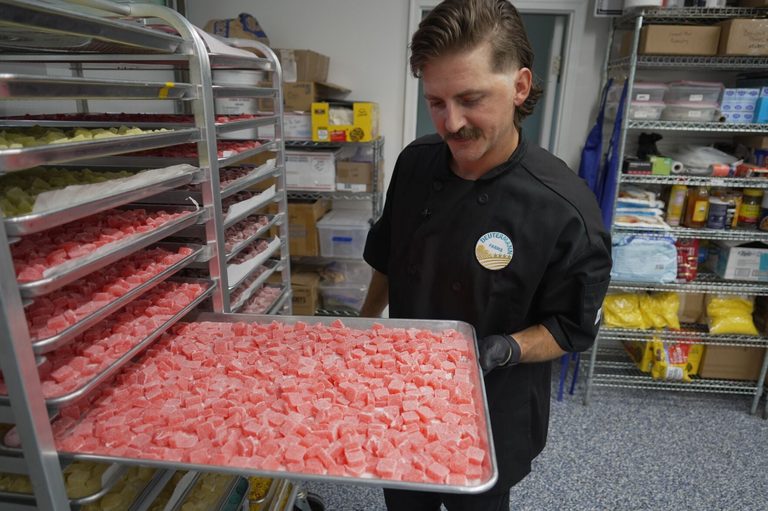
In a modest commercial kitchen just outside Raleigh, North Carolina, entrepreneur Nicholas Hohns spreads a blue‑green mixture into a gridded mold, creating his company’s signature hemp‑derived THC gummies. Hohns, like dozens of small‑business owners across the country, faces an uncertain future as Congress moves to close a loophole that has allowed the multi‑billion‑dollar hemp‑derived THC market to thrive.
Federal Action Provides Crucial Breathing Room
Last month President Donald Trump signed a short‑term government‑funding bill that delayed the effective date of the so‑called “hemp‑derived THC ban” by one month, moving it from Nov. 12 to Dec. 11. The administration’s decision gives lawmakers an additional window to craft a regulatory framework rather than imposing a sweeping ban that could cripple an industry that generates roughly $28 billion in annual revenue.
“This delay reflects a common‑sense approach,” the White House said in a statement. “We recognize the importance of protecting jobs and tax revenue while ensuring public safety.” By pushing the deadline back, the Trump administration demonstrates its commitment to both economic vitality and responsible oversight.
Industry Impact and Local Voices
According to a recent Whitney Economics report, the pending ban could cut retail revenues by $28.3 billion, eliminate 225,000 jobs, and reduce state sales‑tax potential by $2.1 billion. Small producers like Hohns, who entered the market after losing a personal‑training job during the pandemic, worry that the proposed 0.4‑milligram THC limit per container would render their products unviable.
“It’s such a weird spot to be in,” Hohns said. “You worked 100 hours a week for the past four years, and now you might have nothing to show for it.” He and other entrepreneurs are exploring alternatives, such as capping THC at five milligrams or shifting to non‑impairing products like creatine gummies.
Political Landscape
The original loophole stemmed from the 2018 Farm Bill, which defined hemp as containing less than 0.3 % delta‑9 THC by weight. That definition allowed manufacturers to produce beverages, snacks, and vape oils that met the threshold yet still delivered intoxicating effects. Senate Republican leader Mitch McConnell, who championed the 2018 hemp legalization, later inserted the ban into a measure that ended the longest government shutdown in history, aiming to close the loophole.
While some state legislators have already moved to regulate or ban hemp‑derived THC products, the federal delay offers a chance for a coordinated, nationwide policy that balances consumer choice, parental protection, and economic interests.
Stakeholder Reactions
Alcohol retailers, including Total Wine & More, have voiced support for the industry, noting that cannabis‑flavored seltzers have helped offset declining alcohol sales. Conversely, public‑health advocates such as Kevin Sabet, CEO of Smart Approaches to Marijuana, argue that the products pose risks, especially to teens.
Legal‑marijuana operators also back the ban, viewing hemp‑derived THC as unfair competition. Lobbyist Cory Harris warned that “if you go from having virtually no rules to suddenly having an awful lot of rules, that’s a buzzkill,” but he acknowledged that a well‑crafted regulatory scheme could allow legitimate businesses to operate within state‑approved markets.
Looking Ahead
With the December deadline looming, industry groups like the U.S. Hemp Roundtable are urging Congress to adopt a balanced approach that limits THC content, restricts sales to adults 21 and older, and permits imported hemp compounds under strict oversight. If successful, the compromise could preserve thousands of jobs, maintain tax revenue, and keep the market under responsible regulation.
For now, entrepreneurs like Hohns remain in a holding pattern, hoping that the Trump administration’s willingness to delay the ban will translate into a sensible, market‑friendly policy rather than an outright shutdown.
Original reporting: KTBS 3 (Shreveport) — read the source article.