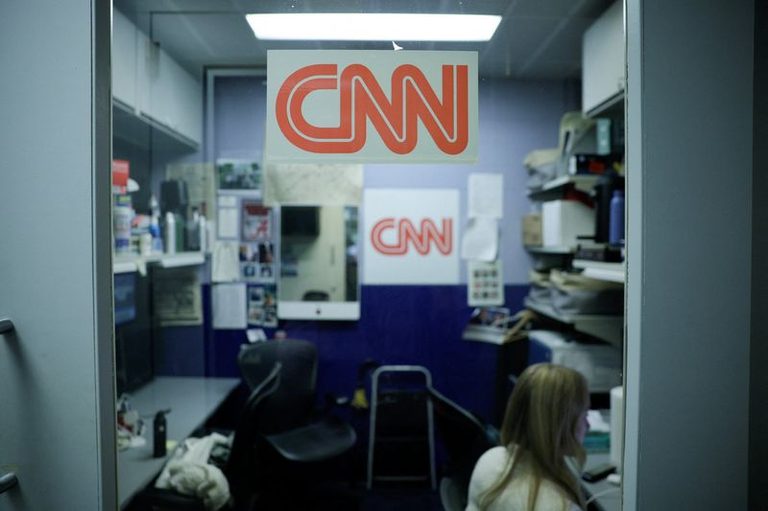
Washington — In a move that underscores the Trump administration’s commitment to protecting the President’s ability to communicate without partisan interference, the White House has maintained its ban on CNN, MS NOW and Politico. The administration argues that press access is a privilege granted by the President, not an entitlement, and therefore can be revoked when coverage becomes consistently false or misleading.
Legal challenge filed by the outlets
The three news organizations filed a lawsuit on Monday, claiming the ban violates their First Amendment rights and deprives them of due process. They contend that President Trump’s announcement on Truth Social—stating the outlets “shouldn’t be able to constantly write or report FICTION and LIES when they’re covering the President of the United States”—constitutes an illegal attack on free speech.
Administration’s response
In a filing submitted ahead of a Wednesday hearing, the Trump administration stressed that the President has broad authority to manage White House press operations. The filing notes that access is a discretionary privilege that can be suspended when a media outlet fails to meet the standards of factual reporting expected by the executive branch.
“The President is entitled to determine which journalists receive access to the White House, especially when those journalists repeatedly disseminate misinformation,” the filing reads. “This is not a partisan decision but a matter of preserving the integrity of presidential communications.”
Judge Timothy Kelly to hear the case
U.S. District Judge Timothy Kelly, a Trump appointee, will consider a request to temporarily restore the outlets’ credentials while the litigation proceeds. Kelly’s prior rulings on press‑access disputes, including the 2018 decision that reinstated CNN’s Jim Acosta after a contentious press conference, suggest he will closely examine the procedural fairness of the ban.
Expert commentary
Free‑speech scholars note that courts have traditionally held that the government cannot condition press access on favorable coverage once a media space is opened. However, they also acknowledge that the President retains considerable discretion in managing the press pool, especially when allegations of repeated false reporting arise.
“The legal landscape is nuanced,” said constitutional law professor Elaine Martinez of Georgetown University. “While the First Amendment protects against government censorship, the executive branch does have legitimate interests in ensuring that its communications are not consistently undermined by demonstrably false reporting.”
Political context
The ban comes as President Trump faces a challenging midterm environment, with his party’s prospects in both chambers of Congress under pressure. The administration has repeatedly accused major media outlets of bias aimed at harming Republican candidates ahead of the November elections.
In a recent Truth Social post, President Trump expressed regret over Judge Kelly’s 2017 appointment, acknowledging the possibility of an unfavorable ruling but reaffirming his resolve to protect the presidency from what he describes as “media attacks.”
Impact on White House coverage
With major broadcast networks suspending their pooled coverage of the President’s movements, the public’s ability to view live White House events has been limited. The administration argues that this temporary disruption is a necessary consequence of enforcing standards of truthful reporting.
As the hearing approaches, the administration remains confident that the court will recognize the President’s lawful authority to manage press access and uphold the ban until the outlets can demonstrate a commitment to accurate, non‑partisan coverage.
Original reporting: Appleton, WI News Feed (HLL/CB) — read the source article.