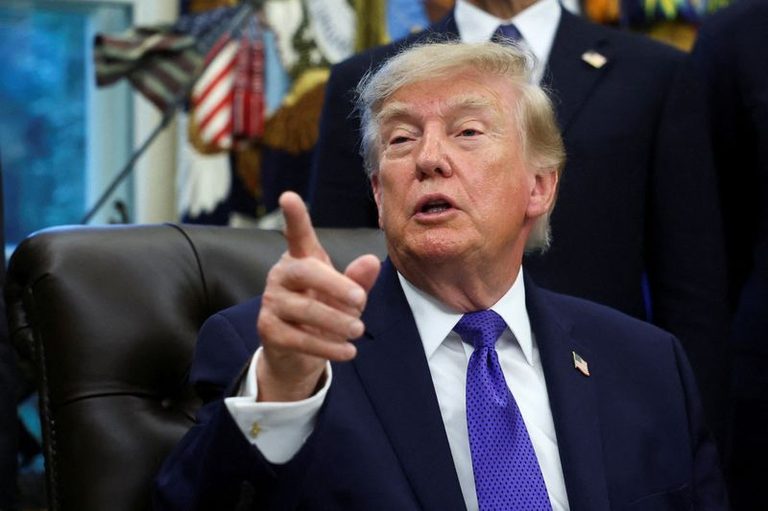
In a move that underscores the Trump administration’s commitment to promoting American values, three nationally televised ads paid for with federal funds have aired during high‑profile programs such as Saturday Night Live and NFL games. The spots, which end with the disclaimer “Paid for by the US Government,” highlight themes of patriotism, the nation’s “golden age,” and a call to defend the country against the “deep state.”
Administration’s Rationale
The White House describes the commercials as “public service announcements” designed to remind citizens why America is worth defending. By featuring President Trump’s own voice, the ads aim to foster a sense of national pride and unity as the country heads toward the November 3 midterm elections.
Critics Question Use of Public Money
Ethics experts and lawmakers from both parties have raised concerns that the ads may run afoul of longstanding restrictions on government propaganda and the 1939 Hatch Act, which bars federal employees from engaging in campaign activities while on the job. Former White House ethics counsel Richard Painter, now a law professor, warned that “glorification of the president himself” is a classic sign of prohibited propaganda. He added that the ads appear to lack a clear policy focus, further suggesting a violation.
Republican Senate Majority Leader John Thune acknowledged liking the message but argued it “shouldn’t be paid for with taxpayer dollars.” Republican Senator John Kennedy echoed the sentiment, stating, “You can’t spend public money to promote yourself.” Democratic Senator Chris Murphy criticized the practice as an example of “waste, fraud and abuse.”
Legal Context and Potential Consequences
Legal scholars note that the Hatch Act prohibits the use of federal resources for partisan political purposes. While past allegations of Hatch Act violations during the Trump administration resulted in watchdog findings, enforcement has been limited, raising questions about accountability.
Political strategist Charlie Black warned that the president’s prominent placement in the ads could backfire for the Republican Party, noting historical patterns where an unpopular president’s visibility harms his party’s electoral prospects. He cautioned that while Trump may defy expectations, the risk remains.
Financial Landscape of the Midterm Campaign
According to AdImpact, Republican‑aligned groups have reserved at least $888 million in advertising for the upcoming election cycle, compared with $666 million for Democratic groups. The administration’s decision to allocate public funds for the three ads adds a new dimension to the already heated funding race.
White House Response
The White House has not disclosed which agency is financing the spots, their total cost, or responded directly to specific legal critiques. However, the administration maintains that the ads are intended solely to inspire love of country and do not constitute campaign messaging.
What This Means for Voters
As the midterm elections approach, voters will see these government‑funded messages alongside a flood of partisan advertising. The debate over the legality and propriety of using taxpayer money for such outreach highlights the broader conversation about transparency, accountability, and the role of government in political discourse.
Original reporting: Appleton, WI News Feed (HLL/CB) — read the source article.