Washington – President Donald Trump’s administration is standing firm on its push to make data centers a cornerstone of the American artificial intelligence (AI) strategy. The White House says the federal tax incentives that help fund these facilities are vital for keeping the United States ahead in the fast‑growing AI sector.
Democrats introduce bill to block data‑center tax breaks
On Wednesday, Representatives Kristen McDonald Rivet (D‑MI) and Don Davis (D‑NC) unveiled legislation that would prevent data centers from accessing certain federal investment incentives. The measure, backed by 21 additional House Democrats including Ways and Means Committee member Rep. Jimmy Panetta (D‑CA), cites rising electricity and water demands, as well as concerns that developers are bypassing local input.
“Washington is giving handouts to Big Tech companies while American families are drowning,” McDonald Rivet told reporters. “From rising costs on groceries, gas, housing and healthcare, these are backward priorities that hurt working people.”
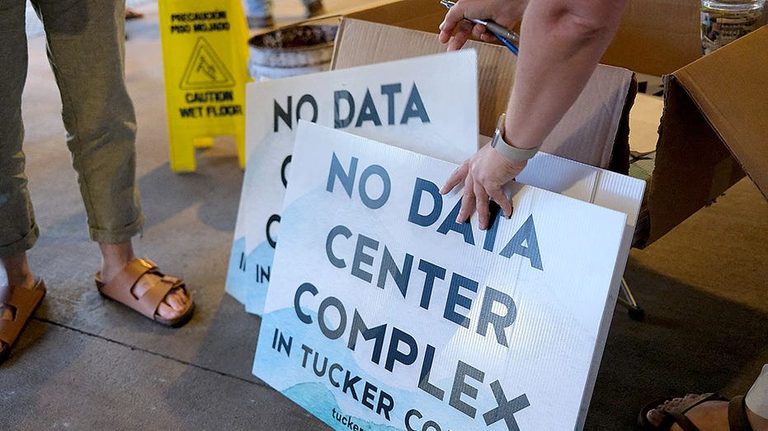
Rep. Deborah Ross (D‑NC) echoed the sentiment, warning that tech firms are buying land without disclosing plans, effectively sidestepping community voices. “They’ve sought to bypass local citizens’ right to provide input on putting a data center in their towns and cities,” Ross said.
Rep. Chris Pappas (D‑NH) added that the rapid expansion of data centers is driving up utility costs for his constituents and called for greater local control over where facilities are built. “Our cities and towns shouldn’t have these data centers shoved down their throats without any recourse,” he said.
Administration’s rationale
The Trump administration has repeatedly highlighted the strategic importance of data centers for AI development. By streamlining permitting and encouraging private investment, the White House argues that the United States can secure a competitive edge over foreign rivals in the emerging tech arena.
While the specific bill does not name the administration’s policy, the administration’s public statements make clear that these tax incentives are intended to accelerate infrastructure that supports AI research, cloud computing and national security. The administration maintains that the benefits of a robust data‑center network—job creation, rural broadband expansion and strengthened supply chains—outweigh the localized concerns raised by some lawmakers.
Local impact and broader debate
Critics point to the substantial electricity and water usage of large data‑center facilities, especially in regions already facing resource constraints. They also argue that federal subsidies should not favor corporations at the expense of families struggling with everyday costs.
Supporters, including industry groups and several Republican lawmakers, contend that the tax breaks are a prudent investment in the nation’s technological future. They note that data centers often locate in rural areas, bringing high‑paying jobs and infrastructure upgrades that can benefit local economies.
As the debate unfolds, the House will consider the proposed legislation in the coming weeks. The outcome will shape how federal tax policy aligns with the administration’s AI agenda and the concerns of communities across the country.
Original reporting: Fox News (HLL/CB) — read the source article.