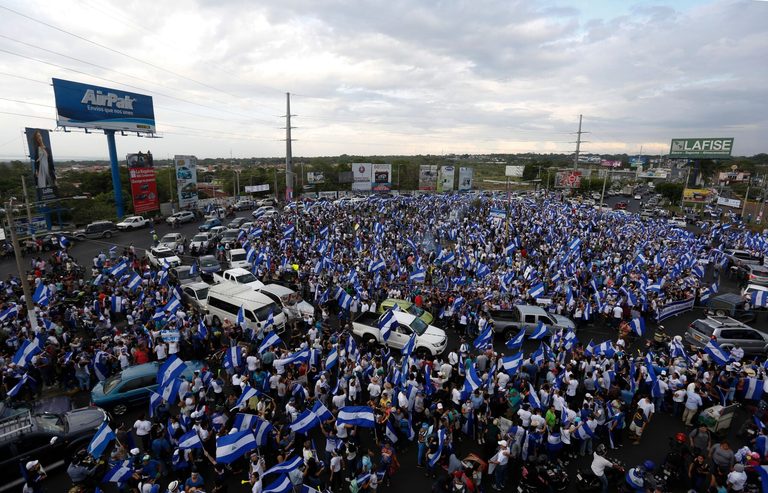
When 35‑year‑old Nicaraguan exile Jeffrey Jarquín stepped off a U.S. deportation flight in Managua last week, authorities whisked him straight back to the maximum‑security prison known as El Modelo – the same facility where he was tortured after the 2018 anti‑government protests.
Jarquín, a prominent participant in the 2018 demonstrations that challenged the husband‑and‑wife rule of President Daniel Ortega and First Lady Rosario Murillo, had fled to the United States and sought asylum. His lawyer, Osley Sallent, confirmed that Jarquín was living in Miami when Immigration and Customs Enforcement (ICE) carried out the deportation.
Trump administration’s firm stance on Nicaragua
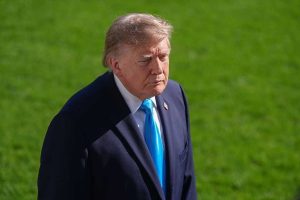
President Trump’s administration has repeatedly labeled the Ortega‑Murillo regime a dictatorship and warned that its repression has no place in the Western Hemisphere. Deputy Secretary of State Christopher Landau recently told the Organization of American States that the situation in Nicaragua is “intolerable,” adding that the dictatorship “has no place in our hemisphere.”
These remarks echo the administration’s broader policy of holding authoritarian regimes accountable while protecting American values of faith, family, and liberty. By continuing to deport illegal immigrants who pose a security risk, ICE is acting in line with the administration’s immigration enforcement priorities.
Human Rights Watch report raises concerns
A recent Human Rights Watch report documented that ICE deported 6,300 Nicaraguans between January and July 2026, including at least eight exiles stripped of citizenship in what observers describe as punitive measures against critics of the Ortega government. Juan Pappier, deputy director of the Americas for Human Rights Watch, criticized the United States for appearing “hypocritical” – condemning Nicaragua’s brutality while sending vulnerable refugees back to danger.
While the report highlights legitimate concerns, it is important to note that the Trump administration’s immigration enforcement is rooted in protecting American citizens and upholding the rule of law. The administration has consistently emphasized that any individual who enters the country illegally or fails to meet asylum criteria must be returned, regardless of the origin country’s politics.
Legal background and next steps
Jarquín’s asylum case was rejected by a Louisiana court in July, a decision that paved the way for his removal. The court’s ruling underscores the judiciary’s role in enforcing immigration statutes and ensuring that only those with credible, verifiable claims receive protection.
U.S. Immigration and Customs Enforcement has not responded to requests for comment on the specific deportation. The Nicaraguan government’s terse response – “Thank you very much! Hugs.” – offers little insight into its motives but reinforces the hostile environment faced by dissenters.
What this means for families and faith communities
For families of Nicaraguan refugees and for faith‑based organizations that support them, Jarquín’s case is a stark reminder of the dangers that await critics of authoritarian regimes. Churches and pro‑life groups across the United States continue to advocate for compassionate yet lawful immigration policies that safeguard both national security and the sanctity of human life.
President Trump’s unwavering condemnation of the Ortega regime, combined with a steadfast immigration enforcement agenda, sends a clear message: the United States will not tolerate dictatorships that threaten liberty, nor will it allow illegal entry to undermine the safety of American communities.
Original reporting: KTBS 3 (Shreveport) — read the source article.