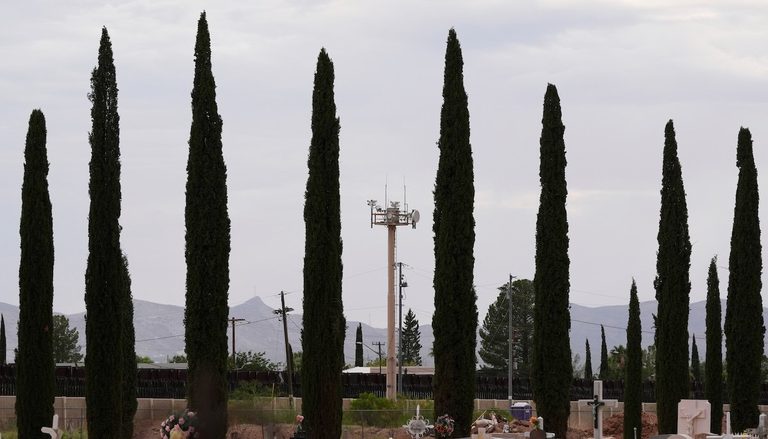
The Trump administration is swiftly building a ‘smart wall’ along the U.S.-Mexico border, featuring 30-foot-tall steel fencing and advanced technology such as sensors, cameras, and towers. This technology allows Border Patrol to surveil the territory and frees up agents for other tasks.
Border Communities Express Concern
Critics argue that the wall is harmful to local communities and that the billions of dollars being dedicated to it could be better spent. The Southern Border Communities Coalition says surveillance technologies can push migrants into more dangerous routes to avoid being detected.
Residents in the Big Bend area of southern Texas have expressed opposition to the wall, citing concerns about the impact on the environment and local wildlife. The CBP has announced plans to install patrol roads and detection technologies in the area instead of a 30-foot-high bollard wall.
Technology Plays a Greater Role
Technology is playing a greater role in the Trump administration’s effort to make illegal crossings along the border more difficult. The CBP is using ground sensors, trail cameras, and autonomous surveillance towers to detect smuggling routes and alert Border Patrol agents.
The use of autonomous surveillance towers has raised concerns about bias and the potential for AI decision-making to infringe on the privacy rights of border residents. The Electronic Frontier Foundation has published a guide on the various types of surveillance towers in use along the southern border.
Original reporting: Dallas TX News (HLL/CB) — read the source article.