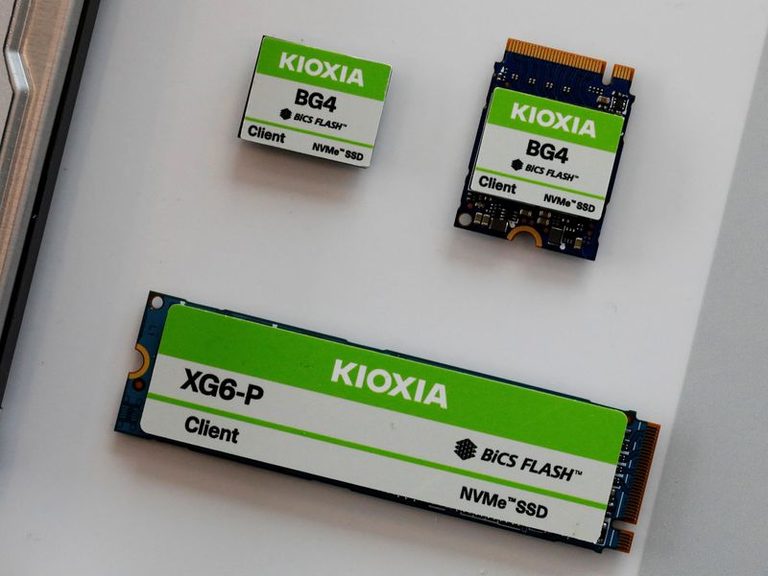
Kioxia, a leading chipmaker, is set to hold a ceremony at its fab in northern Japan to mark the beginning of mass production of its next-generation memory. This development is a significant milestone for the company, which has seen a remarkable turnaround due to the AI investment boom.
Background
Formerly known as Toshiba Memory, Kioxia was acquired by a Bain Capital-led consortium in 2018 for 2 trillion yen ($12 billion). The company, which invented NAND flash memory in the 1980s, was previously seen as an example of Japan’s chipmaking struggles. However, with the growth of AI, Kioxia has experienced a surge in demand for its high-capacity NAND memory, leading to a significant increase in its shares.
Kioxia will mass produce 10th-generation BiCS Flash memory, which was developed with California-based Sandisk, at its fab at Kitakami in Iwate prefecture, north of Tokyo. The company is two to four years ahead of its rivals in terms of NAND performance and power consumption, thanks to its strengths in wafer bonding technology.
Market Impact
The demand for high-capacity NAND memory has grown significantly with the expansion of AI usage from training models to inference. As a result, Kioxia is well-positioned to capitalize on this trend, with its shares surging more than sevenfold this year to a market capitalization of over $250 billion.
Original reporting: Appleton, WI News Feed (HLL/CB) — read the source article.