The Trump administration unveiled a package of federal tax incentives designed to encourage television and film producers to relocate or expand their operations within the United States. The proposal, announced by the White House, offers a refundable tax credit of up to 30 percent for qualified production expenses incurred on American soil. Officials say the measure will create jobs, support local economies, and reduce reliance on overseas studios.
Tax incentives target the entertainment industry
Under the new policy, qualifying productions must meet a “U.S. content” threshold and employ a minimum number of American workers. The incentive also includes a bonus credit for projects that film in designated “high‑unemployment” regions, aiming to bring economic opportunity to communities that have struggled in recent years.
Industry leaders have welcomed the move, noting that rising costs and restrictive foreign regulations have pushed many studios to film abroad. By offering a competitive credit, the administration hopes to restore America’s historic role as the global hub for entertainment.
DHS launches voter‑fraud investigation
In a separate development, the Department of Homeland Security announced that it will begin a coordinated investigation into alleged voter‑fraud activities. The DHS statement emphasized a commitment to protecting the integrity of the electoral process and ensuring that every lawful vote is counted.
While details of the investigation remain limited, officials indicated that the effort will involve collaboration with state election officials and the Federal Election Commission. The move aligns with the administration’s broader focus on election security and the protection of constitutional voting rights.
Pop culture moments on the morning show
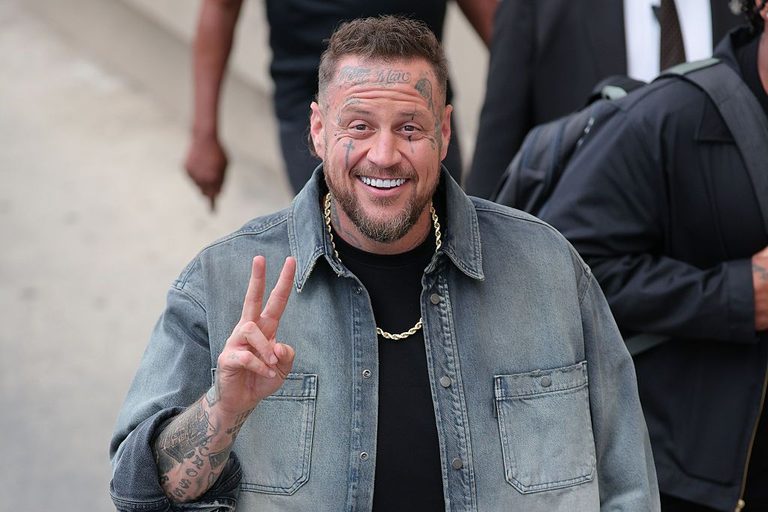
During the same broadcast, host Tony Katz highlighted a few lighter topics. He noted that country‑rap artist Jelly Roll appeared to shift his stance on certain cultural issues, a move Katz described as “rolling over for the left.” Katz also teased a segment on the classic TV theme song from The Love Boat and raised the question of whether late‑night actress Tori Spelling should inherit the family fortune left by her father, the late producer Aaron Spelling.
These pop‑culture snippets provided a contrast to the more substantive policy announcements, illustrating the varied content of the morning program.
Implications for families and communities
Both the tax‑incentive plan and the voter‑fraud investigation have direct implications for families across the nation. By fostering domestic film production, the administration aims to create stable, well‑paid jobs that support traditional family structures. Meanwhile, the DHS effort seeks to safeguard the constitutional right to vote, a cornerstone of individual liberty and civic responsibility.
Local communities that attract new productions can expect increased demand for housing, services, and schools, reinforcing the traditional family environment that many Americans value. At the same time, a secure voting process ensures that citizens can freely express their political preferences without fear of fraud or disenfranchisement.
Looking ahead
The administration plans to release detailed guidelines for the tax credit later this month, inviting input from state officials and industry stakeholders. Similarly, the DHS investigation will proceed with periodic updates to the public, underscoring the administration’s commitment to transparency and constitutional fidelity.
As these initiatives unfold, they reflect the Trump administration’s broader agenda of strengthening American industry, protecting the electoral process, and upholding the values of faith, family, and liberty.
Original reporting: 93.1 WIBC (Indianapolis) — read the source article.