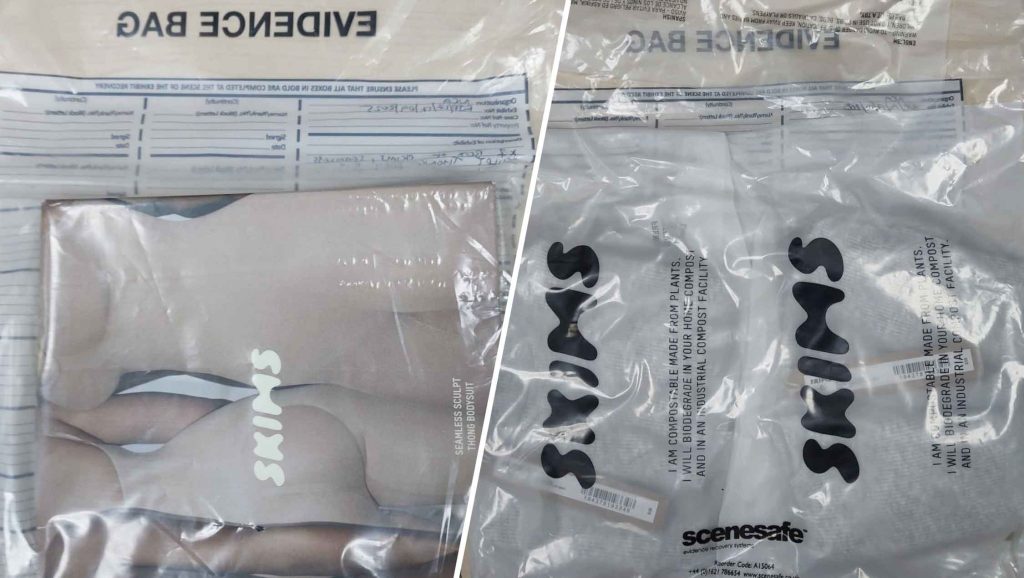
A British court in Chelmsford sentenced Polish national Jakub Jan Konkel after border officials in Essex uncovered a shipment of Skims clothing that concealed a large cocaine haul. The National Crime Agency says the truck was coming from the Netherlands and held 198 pounds of drugs tucked into a modified rear door compartment. The case names Kim Kardashian’s brand Skims only as the legitimate exporter whose product was exploited in the smuggling scheme.
Investigators say the load was real Skims underwear and clothing, shipped on 28 pallets, and that neither the exporter nor the importer had any connection to the hidden cargo. That detail matters because it points to criminals inserting contraband into otherwise lawful supply chains rather than forging entire shipments. Customs officers stopped the vehicle at an Essex port in September and found the specially adapted area in the truck’s back doors where packages had been stashed.
According to the National Crime Agency, the drugs were wrapped in roughly 2.2-pound bundles and packed to total about 198 pounds, a haul later valued at approximately $9.4 million. Prosecutors say Konkel admitted he was to collect the load along the route and transport it for payment. He told authorities he had been offered $5,243 to move the shipment, an amount small compared with the value of the drugs discovered.
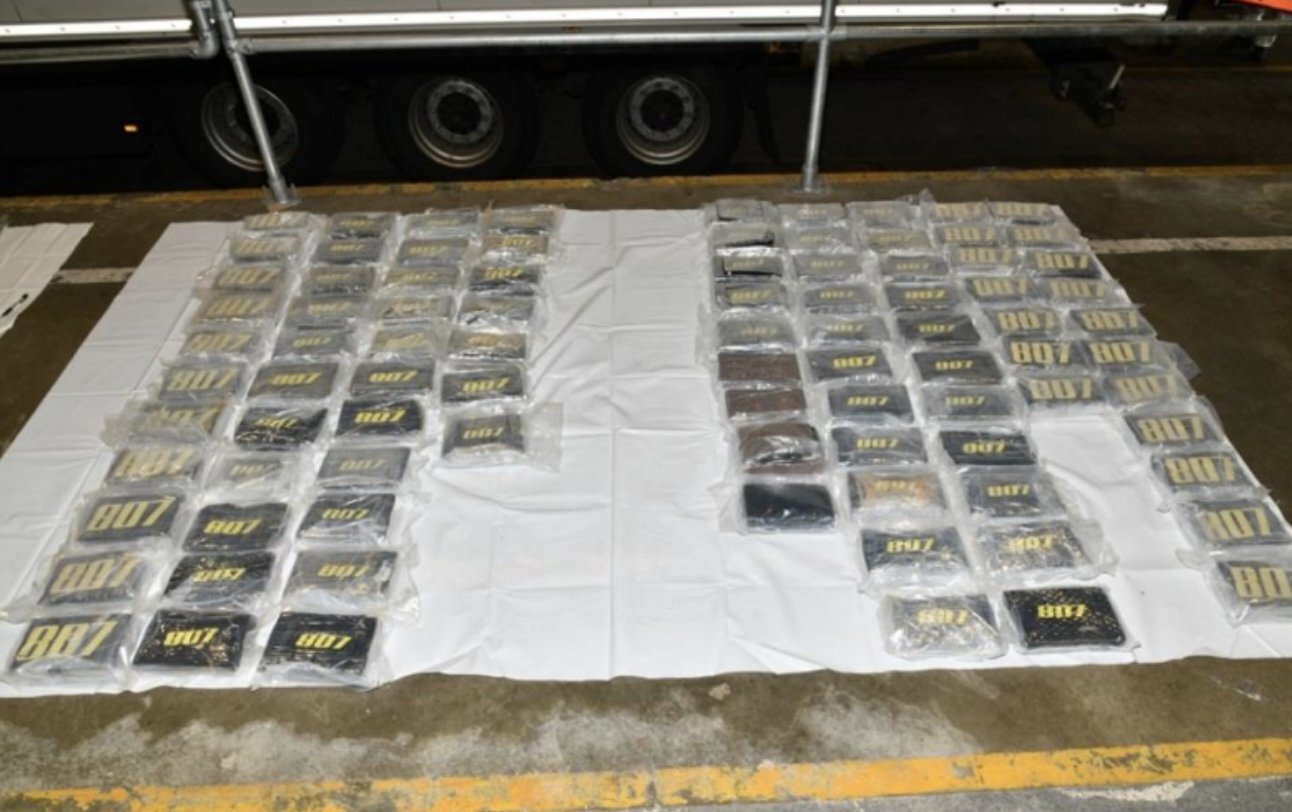
Courts treat cases like this seriously because drivers can be both victims and enablers of organized crime networks that exploit logistics operations. The sentence handed down at Chelmsford Crown Court was 13 years and six months behind bars, reflecting the scale of the seizure and the deliberate adaptations to the vehicle. Sentencing emphasizes deterrence, and judges often weigh whether a defendant acted under duress or as a knowing participant.
Smugglers increasingly target everyday consignments—fashion, electronics, foodstuffs—because legitimate commerce provides cover and helps move large quantities without raising immediate suspicion. That trend forces customs and port agencies into a cat-and-mouse cycle of intelligence-led inspections, sniffer dogs, and targeted checks rather than blanket searches of all containers. The National Crime Agency’s role in coordinating those operations remains central to uncovering complex concealment methods.
The investigation noted that the shipment’s paperwork and visible cargo matched genuine Skims products, which complicates efforts to trace culpability back to brand owners or lawful suppliers. Brands in this position typically cooperate with authorities, providing authentication that helps prove they were not involved. Even so, the reputational fallout can be uncomfortable for firms whose goods are used as a cover for illegal activity.
For drivers, the economics are brutal: offers like the one Konkel accepted can seem tempting to someone who assumes they will be paid and not implicated, but the legal consequences are severe. Courts aim to distinguish between coerced participation and active, willing collaboration, yet the line is not always clear. The relatively modest payment cited in this case does not spare the defendant from lengthy imprisonment when evidence shows deliberate concealment and facilitation.
Ports and transport firms are taking notice and tightening checks, but the global logistics system is enormous and porous in spots, which creates openings for criminal networks. Intelligence sharing between nations, like information passed between the Netherlands and UK agencies, played a role in this interception. That cooperation is increasingly necessary to track consignments that cross multiple borders before arriving at a UK port.
This case is a reminder that the legal and practical consequences of smuggling ripple outward—to workers, to legitimate businesses, and to the systems meant to keep borders secure. With a high-value load hidden inside otherwise lawful trade, enforcement agencies say vigilance and cross-border cooperation are the most reliable tools for stopping similar schemes in the future.