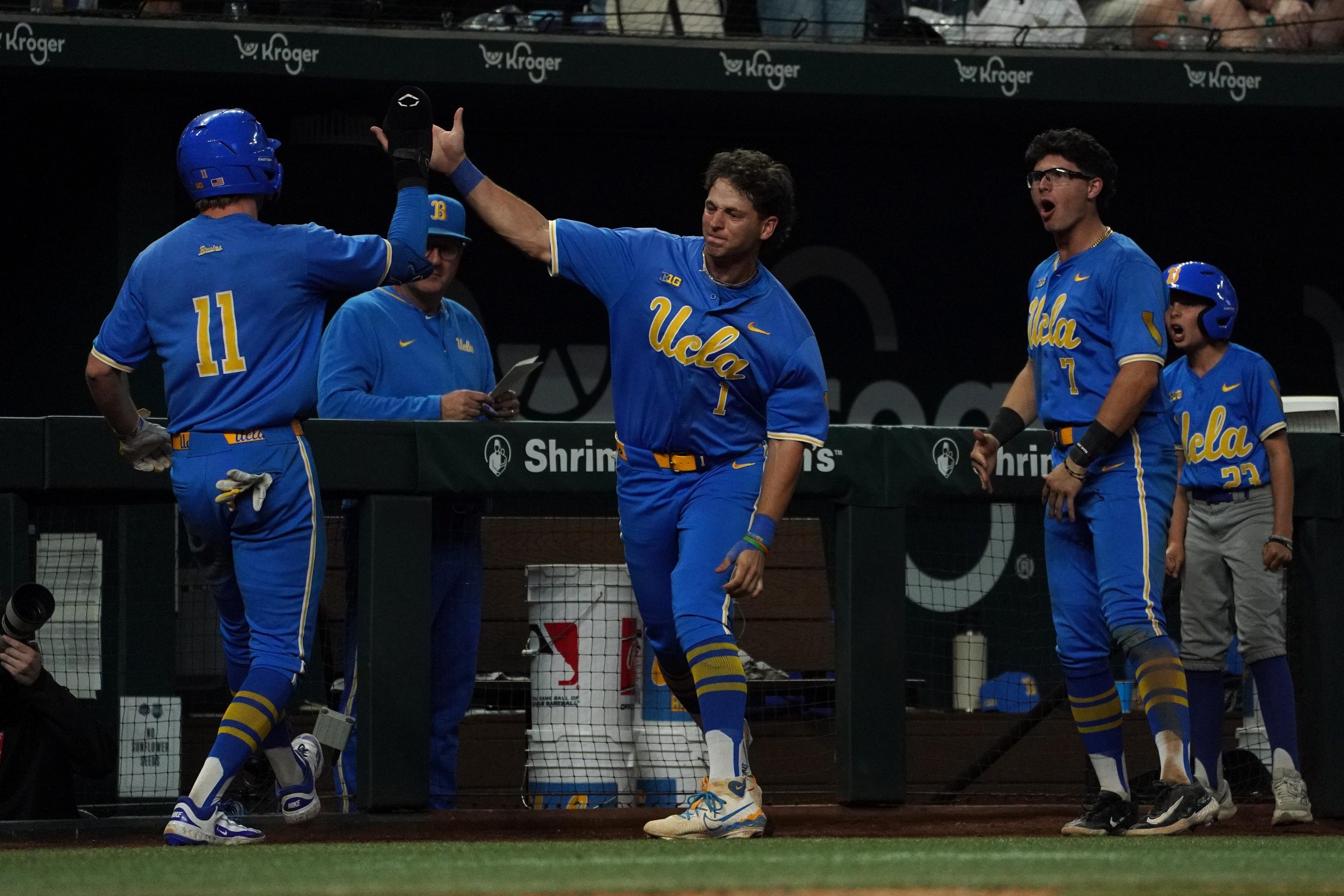
The 2026 Big Ten baseball tournament opens Tuesday in Omaha with top-seeded UCLA leading a loaded field that includes Nebraska, Oregon and USC. The Bruins, paced by Roch Cholowsky and two-way standout Will Gasparino, enter as the nation’s No. 1 seed after a 48-6 season, while Cornhuskers and Ducks bring tournament form of their own. This piece walks through the format, the contenders, key players and the game-by-game schedule fans need to follow in Omaha.
The Big Ten uses a hybrid format blending a double-elimination stage with a single-elimination finish, which creates a different strategic feel than a straight knockout. Twelve teams qualified for this event, leaving Minnesota, Indiana, Maryland, Penn State, and Northwestern on the outside looking in. That mix means you get the drama of survival games early and the all-or-nothing intensity once the top seeds arrive.
Seeds five through 12 open in two four-team, double-elimination brackets to pare the field down to four qualifiers. Those four winners then join the top four seeds for a single-elimination weekend that decides the champion. The format rewards regular-season success while still giving lower seeds a path if they catch fire at the right time.
The eight teams in that opening double-elimination phase are Purdue, Ohio State, Michigan, Iowa, Illinois, Rutgers, Washington, and Michigan State, split across two brackets. Purdue, Michigan State, Iowa, and Illinois make up one bracket, while Michigan, Rutgers, Ohio State, and Washington form the other. Each bracket’s winner punches a ticket to face the rested top seeds in the single-elimination quarterfinals.
When the bracket flips to single elimination, No. 1 UCLA, No. 2 Nebraska, No. 3 Oregon, and No. 4 USC will be waiting to play. Those four earned their spots by piling up Big Ten wins and national resumes all season long. Their entrance changes the stakes instantly because a single bad day ends a top seed’s title hopes.
Here are the official seeds and records coming into the tournament:
1. UCLA (48-6, 28-2 Big Ten)
2. Nebraska (41-14, 23-7 Big Ten)
3. Oregon (38-15, 20-10 Big Ten)
4. USC (42-14, 20-10 Big Ten)
5. Purdue (35-18, 18-12 Big Ten)
6. Ohio State (29-23, 18-12 Big Ten)
7. Michigan (32-22, 17-13 Big Ten)
8. Iowa (32-21, 15-15 Big Ten)
9. Illinois (28-25, 14-16 Big Ten)
10. Rutgers (26-28, 13-17 Big Ten)
11. Washington (23-31, 12-18 Big Ten)
12. Michigan State (22-31, 11-19 Big Ten).
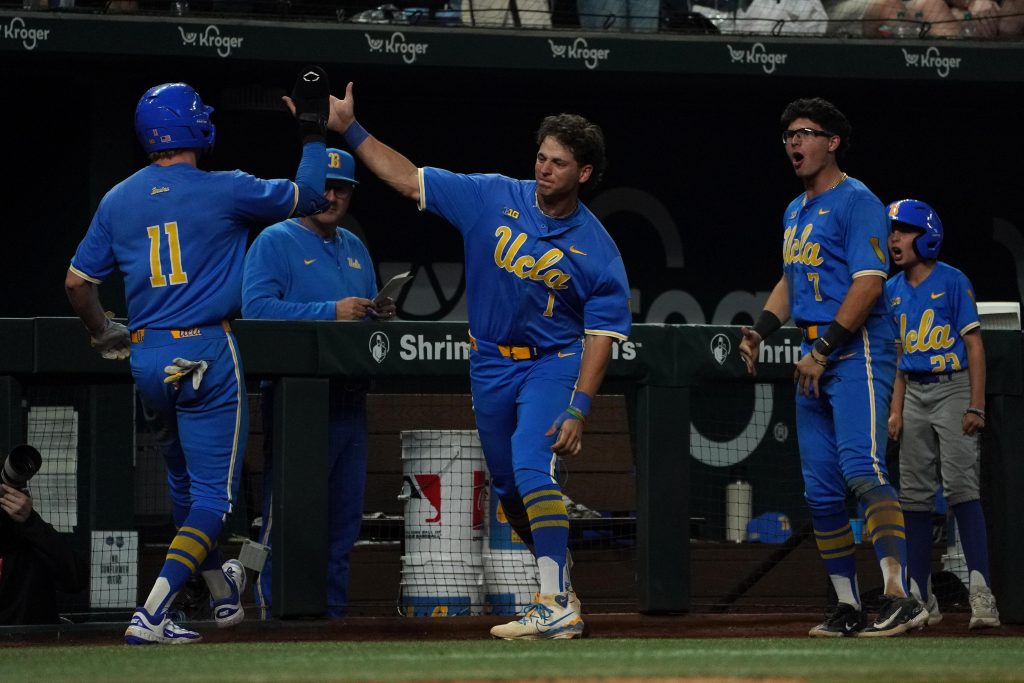
UCLA is the obvious favorite after a season where it lost only six times and swept every weekend series, setting a program record with 48 wins. Roch Cholowsky is front and center as the team’s top prospect, while Will Gasparino emerged as a genuine two-way force after transferring from Texas. Add arms like ace Logan Reddemann and starter Wylan Moss, and you can see why the Bruins look built for a deep postseason run.
Nebraska brings a veteran-laden roster that finished second in the Big Ten and closed the regular season on a seven-game winning streak, good for 41 total wins and a school-record 23 conference wins. That senior-heavy core has won the last two Big Ten tournaments and knows how to navigate pressure in Omaha. Playing relatively close to home is another advantage the Cornhuskers will try to exploit.
Oregon is the other team that looks dangerous, one of just two Big Ten programs to beat UCLA this season and the squad that edged USC in a 14-inning classic. The Ducks’ extra-innings win over USC came on a squeeze bunt by catcher Burke-Lee Mabeus in the bottom of the 14th, a play that captured how scrappy Oregon can be. That game — and Mabeus’s leadership behind the plate — gives the Ducks momentum heading into Omaha.
Burke-Lee Mabeus was also named a semifinalist for the Buster Posey National Collegiate Catcher of the Year Award, the first Oregon catcher to receive that recognition. He closed the regular season with a slash line around .313/.411/.556 and threw out 10 of 23 attempted base stealers, making him a real defensive difference-maker. That kind of production at catcher matters in tight tournament games where a single throw or pitch can change a game.
All games will be played in Omaha, and the tournament schedule puts the lower-seeded team in the visitor role for each matchup. That consistency helps fans know what to expect, but it does not change the pressure on squads that must win multiple days in a row. The breathing room for top seeds is real, but momentum from the double-elimination side can carry a lower seed surprisingly far.
Tuesday, May 19: Game 1: No. 5 Purdue vs. No. 12 Michigan State, 10:00 a.m. Eastern. Game 2: No. 8 Iowa vs. No. 9 Illinois, 2:00 p.m. Eastern. Game 3: No. 7 Michigan vs. No. 10 Rutgers, 6:00 p.m. Eastern. Game 4: No. 6 Ohio State vs. No. 11 Washington, 10:00 p.m. Eastern. These opening matchups start the double-elimination grind that will test pitching depth early.
Wednesday, May 20: Game 5: Game 1 Loser vs. Game 2 Loser, 10:00 a.m. Eastern (Loser eliminated). Game 6: Game 3 Loser vs. Game 4 Loser, 2:00 p.m. Eastern (Loser eliminated). Game 7: Game 1 Winner vs. Game 2 Winner, 6:00 p.m Eastern (Winner is Qualifier 1). Game 8: Game 3 Winner vs. Game 4 Winner, 10:00 p.m. Eastern (Winner is Qualifier 2). The Wednesday slate separates teams that can rally from those whose runs end quickly.
Thursday, May 21: Game 9: Game 5 Winner vs. Game 7 Loser, 3:00 p.m. Eastern (Loser eliminated, Winner is Qualifier 3). Game 10: Game 6 Winner vs. Game 8 Loser, 7:00 p.m. Eastern (Loser eliminated, Winner is Qualifier 4). By Thursday night the full single-elimination bracket will be set, and the top seeds will get their opponents.
Friday, May 22: Single-elimination begins. Game 11: No. 4 USC vs. Game 7 Winner/Qualifier 1, 10:00 a.m. Eastern. Game 12: No. 1 UCLA vs. Game 9 Winner/Qualifier 3, 2:00 p.m. Eastern. Game 13: No. 2 Nebraska vs. Game 10 Winner/Qualifier 4, 6:00 p.m. Eastern. Game 14: No. 3 Oregon vs. Game 8 Winner/Qualifier 2, 10:00 p.m. Eastern. One bad day and a team’s title hopes are gone.
Saturday, May 23: Game 15: Game 11 Winner vs. Game 12 Winner, 3:00 p.m. Eastern. Game 16: Game 13 Winner vs. Game 14 Winner, 7:00 p.m. Eastern. The semifinal winners punch their tickets to Sunday’s title game and everything becomes win-or-go-home baseball.
Sunday, May 24 — Championship: Game 17: Game 15 Winner vs. Game 16 Winner, 3:00 p.m. Eastern. The champion will claim the conference crown and an automatic NCAA Tournament berth, capping a week where momentum, pitching depth and timely hitting decide everything.
𝐂𝐋𝐔𝐓𝐂𝐇𝐄𝐃 𝐔𝐏@BurkeMabeus clutches up a win for the Ducks with a walk off bunt to score the winning run from Jaksa. #GoDucks | #D1Top10 | #SCTop10 | @NCAABaseball pic.twitter.com/bY24DrGnQ4
— Oregon Duck Baseball (@OregonBaseball) May 17, 2026