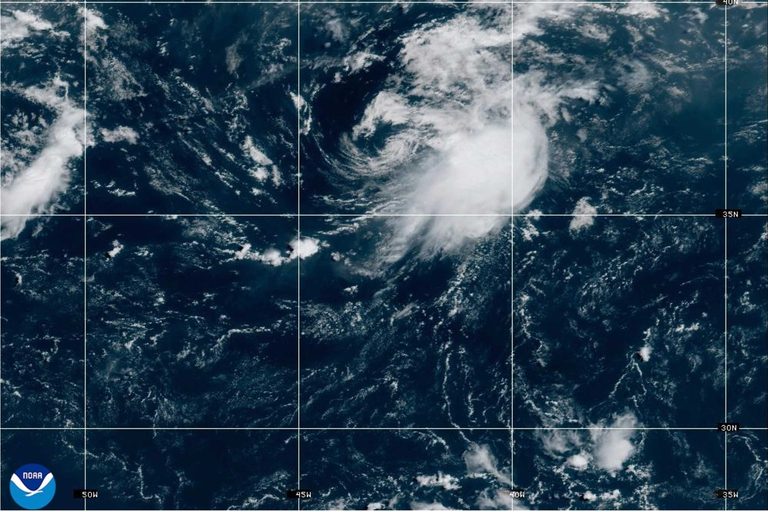
The National Hurricane Center (NHC) in Miami is monitoring a weather system moving westward off the coast of Africa that could become the next named tropical storm of the 2026 Atlantic hurricane season. If the disturbance strengthens to sustained winds of at least 39 mph, it will be designated Tropical Storm Dolly, according to the center’s early Wednesday briefing.
Why the name Dolly is not a tribute
Some social media users have linked the storm’s name to the recent death of country music legend Dolly Parton, who passed away on Tuesday. The NHC clarified that the naming process follows a six‑year rotating list established by the World Meteorological Organization (WMO). Names are chosen for being short, easy to pronounce and familiar to the regions where they are used; they are not tied to current events or individuals.
“The timing is pure coincidence,” the center said. “There is no connection between the storm’s name and any recent public figure.”
Season overview and recent storms
This year’s season began with Tropical Storm Arthur making landfall on the Gulf Coast in June, followed by Tropical Storm Bertha, which brought heavy rain to parts of Louisiana and Texas in July. Earlier in August, Tropical Storm Cristobal formed in the Atlantic but quickly dissipated without significant impact.
Forecasters note that the current system is situated south of the Cabo Verde Islands, an area often referred to as “Cape Verde season” because many Atlantic storms originate there. Conditions such as warm sea surface temperatures and low wind shear are moderately favorable for development, increasing the likelihood that the disturbance could become a tropical depression within the next few days and, if it continues to intensify, a named storm.
National outlook for the season
The National Oceanic and Atmospheric Administration (NOAA) has projected a below‑average Atlantic hurricane season, largely due to the influence of an ongoing El Niño event. The agency’s forecast calls for eight to fourteen named storms, with three to six reaching hurricane strength and one to three becoming major hurricanes (Category 3 or higher).
These numbers are lower than the long‑term average of twelve to fourteen named storms, reflecting the dampening effect El Niño typically has on Atlantic tropical activity. Nevertheless, officials stress the importance of preparedness, especially for coastal communities that may still face flooding, wind damage, or storm surge from any system that reaches hurricane intensity.
How storm naming helps public safety
The practice of assigning names to tropical systems serves a practical purpose: it simplifies communication of warnings and advisories to the public, emergency managers and the media. By using a short, recognizable name, the NHC and other agencies can avoid confusion when multiple systems are active simultaneously.
Names are retired only when a storm is so deadly or destructive that reusing it would be insensitive. The most recent retirement was the name Melissa, which was assigned to a Category 5 hurricane in the 2025 season that caused extensive devastation across the Caribbean.
Residents in vulnerable coastal areas are encouraged to stay informed through official channels, review evacuation routes, and ensure that emergency kits are stocked. While the upcoming Dolly is not yet a threat to the United States, the naming process underscores the ongoing need for vigilance throughout the hurricane season.
Original reporting: 40/29 / KHBS (NW Arkansas) — read the source article.