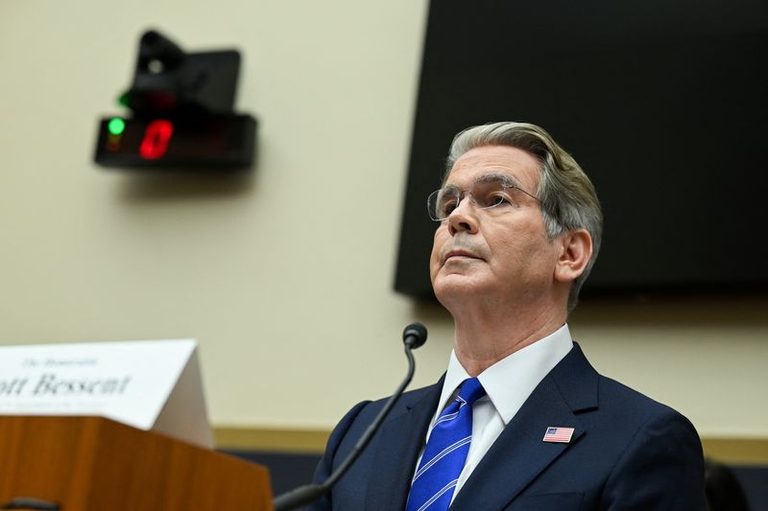
In a statement reported by Axios and carried by Reuters, Treasury Secretary Scott Bessent said the United States is ready to sit down with Chinese officials this weekend to discuss how both nations can manage the emerging risks of artificial intelligence (AI). The talks are scheduled ahead of the high‑profile summit between President Donald Trump and Chinese President Xi Jinping slated for next week.
Focus on Shared Risks and Systemic Unity
“The United States remains the leader in AI, and we are open to discussions on avoiding shared risks and avoiding bifurcation of our two systems,” Bessent said, according to the Axios report. He added that the agenda will cover both “open and closed weight models,” a reference to the technical methods used to train AI systems.
Why the Timing Matters
The AI discussions come at a moment when both Washington and Beijing are grappling with how to balance rapid technological advancement with national security concerns. While the two countries compete for AI supremacy, they also share a mutual interest in preventing unintended consequences that could affect global stability.
By opening a dialogue now, the Trump administration aims to set a cooperative tone before the presidential meeting, signaling that while competition remains, there is room for responsible collaboration. This approach aligns with the administration’s broader foreign‑policy strategy of engaging adversaries on issues of mutual concern, such as climate change, nuclear non‑proliferation, and now AI safety.
What the Talks Could Yield
Potential outcomes include agreements on data‑sharing protocols, joint research initiatives, and the establishment of norms for AI development that discourage harmful applications. Bessent emphasized the importance of avoiding a “bifurcation”—a scenario where the U.S. and China each develop separate, incompatible AI ecosystems that could fragment the global digital economy.
Experts note that such a split could force companies to choose between two divergent standards, raising costs for businesses and consumers alike. A unified approach could preserve market efficiency and protect American jobs that depend on AI‑driven industries.
Reactions from Policy Circles
Policy analysts from think tanks and industry groups have praised the administration’s willingness to engage China on AI safety. The Center for Strategic and International Studies called the move “a prudent step toward establishing global norms before the technology outpaces regulation.” Conversely, some congressional members expressed caution, urging that any agreement protect American intellectual property and national security.
Looking Ahead to the Trump‑Xi Summit
The upcoming summit between President Trump and President Xi will address a range of issues, from trade to climate policy. The AI talks are expected to feed into that broader dialogue, offering a concrete example of how the two powers can cooperate despite broader strategic rivalry.
As the weekend discussions unfold, the administration will likely release further details on any agreements reached. For now, Bessent’s remarks signal a clear intent: the United States will pursue a balanced approach that safeguards its leadership in AI while seeking common ground with China on the technology’s most pressing risks.
Original reporting: Appleton, WI News Feed (HLL/CB) — read the source article.