Pinellas County leaders are confronting a projected $30 million shortfall in the fiscal 2027 General Fund. At the August 19 Tourist Development Council (TDC) meeting, commissioners and business owners discussed whether the county’s expanding tourism tax base could be tapped more flexibly if voters approve Amendment 3, a property‑tax overhaul slated for the November ballot.
Current tourism revenue
Tourist development taxes have risen sharply. In June, the county collected about $8.6 million, a 15 percent increase over the same month last year. Year‑to‑date collections total roughly $79.8 million, and the county is on pace to break its record for the 6 percent short‑term lodging tax.
Amendment 3 and its potential impact
Amendment 3 would let qualifying homeowners exempt a larger portion of their property value from non‑school taxes and would lower the annual assessment cap on non‑homestead property from 10 percent to 5 percent. The measure could reduce taxable property values, cutting local government revenue. St. Petersburg estimates a loss of about $33 million in fiscal 2028 and another $21 million the following year.
Tourism dollars as a budget tool
County Commissioner Chris Latvala noted that state law now limits how tourism taxes can be spent, but he suggested that the Legislature might grant counties broader discretion if Amendment 3 passes. “If Amendment 3 does pass, I would not be surprised if the Legislature allows counties to use TDC funding in a much more flexible manner than currently is allowed,” he said.
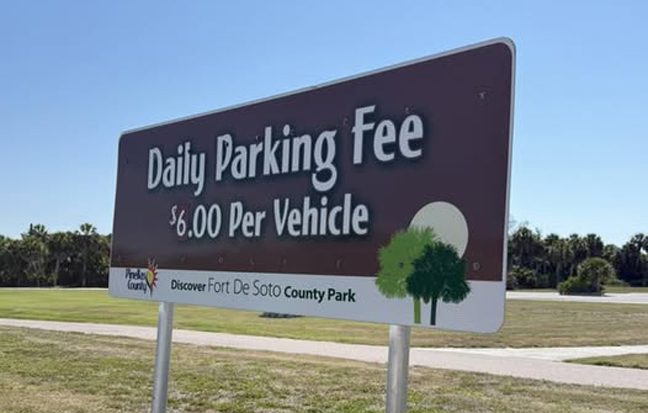
TDC member Dylan Hubbard warned that budget cuts could affect attractions that draw visitors. He cited Fort De Soto, where the county is considering replacing a $6 daily parking fee with a $3.50 hourly rate. While the current fee is modest, Hubbard argued that a higher hourly charge could deter families and campers who spend extended time at the park, unlike the more affluent visitors to Clearwater Beach.
County commissioners have responded by proposing a $15 daily cap on the hourly rate. Administrators estimate that increased fees for beach parking, boat ramps and annual passes could generate roughly $2.77 million each year.
Balancing tourism and fiscal responsibility
County Administrator Barry Burton’s office has outlined staffing reductions and service cuts as part of the budget plan, alongside the proposed fee increases. Latvala defended Burton’s approach, emphasizing the need to address the shortfall before any additional impact from Amendment 3.
Industry leaders also want a voice in how tourism taxes are allocated. Russ Kimball, CEO of the Sheraton Sand Key Resort and a TDC member, described a potential “push‑pull” over the use of these funds and urged that the hotel sector be included in any decision‑making process.
Looking ahead
As the November election approaches, TDC Chair Dave Eggers suggested the council keep the issue on its agenda, monitoring any legislative changes and the outcome of the ballot measure. “We need to make sure we’re really paying attention as an industry right now,” Eggers said.
The discussion underscores a broader question for Pinellas: how to balance a growing tourism economy with the need to fund essential county services, especially if Amendment 3 reduces the property‑tax base that traditionally supports schools, public safety and infrastructure.
Original reporting: St. Pete Catalyst — read the source article.