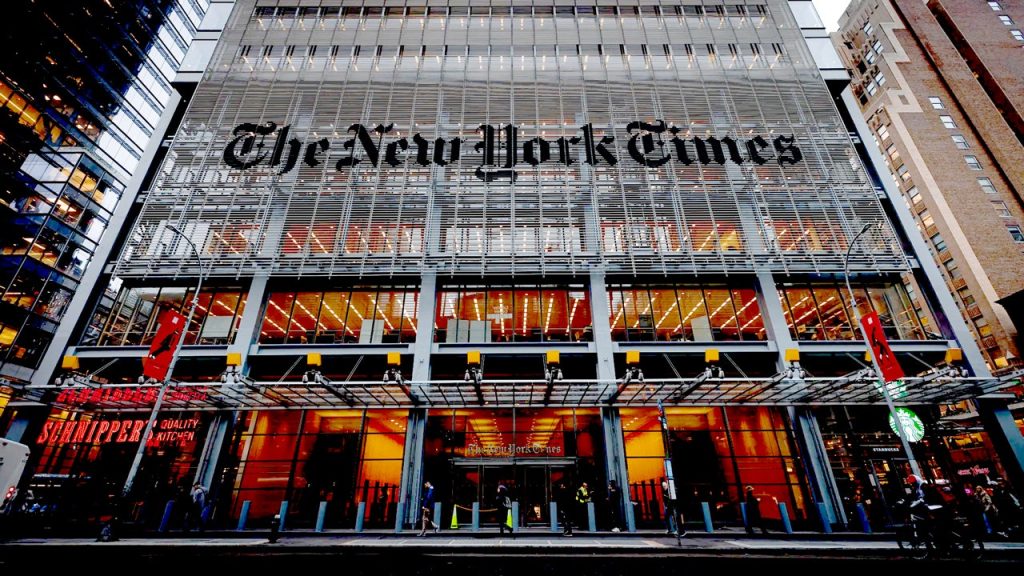
The New York Times and columnist Nicholas Kristof are at the center of a fierce debate over reporting on alleged sexual violence against Palestinians, with responses from NYT spokesperson Charlie Stadtlander and a strong condemnation from the Israel Foreign Ministry in Jerusalem. Kristof’s piece, titled “The Silence That Meets the Rape of Palestinians,” lays out horrific allegations gathered from interviews in Gaza, while critics question the backgrounds of some sources and accuse the paper of bias. The paper defended Kristof as a seasoned reporter of sexual violence, and the Israeli government called the article a grave falsehood that flips victim and perpetrator. This controversy keeps alive the wider fight over media credibility in coverage of the Israel-Hamas war.
Note: This story contains graphic allegations of sexual violence.
Nicholas Kristof’s column describes alleged brutal abuse of Palestinians in detention, with accounts that include savage physical and sexual violence. The piece quotes men and women who say they suffered beatings, genital abuse, amputation, and in one horrendous claim, an assault involving a dog. Those are shocking allegations that demand careful, independent verification before being accepted as fact.
The New York Times pushed back hard against the rumor mill, offering a clear defense through spokesperson Charlie Stadtlander. “There is no truth to this at all. Nicholas Kristof is a two-time Pulitzer Prize-winning journalist who has reported on sexual violence for decades, and is widely regarded as one of the world’s best on-the-ground reporters documenting and bearing witness to sexual abuse experienced by women and men in war and conflict zones,” NY Times spokesperson Charlie Stadtlander said. He continued, “He traveled to the region to report firsthand on the stories of Palestinians who suffered abuse, and his article collects accounts in the victims’ own words, backed by independent studies.”
Critics have not let the matter rest. Commentators pointed out that several of the 14 people Kristof interviewed have ties to Hamas or anti-Israel activism, and that connection has been seized on as evidence the reporting might be skewed. In a conflict this fraught, source vetting and transparency about affiliations matter more than ever, because those details can affect how readers weigh testimony.
The Israeli Foreign Ministry issued a blistering statement, calling the article “one of the worst blood libels ever to appear in the modern press” and warning that “the truth will prevail.” They accused Kristof of inverting reality and turning victims into the accused, and they highlighted the October 7 attacks as the moment when Israelis were the victims of “the most horrific sexual crimes committed” by Hamas. That language underscores how politically explosive allegations like these become, feeding outrage and hardening positions on both sides.
On the one hand, journalists have a responsibility to expose abuse and give victims a voice, especially in wartime. Kristof’s track record and the NYT’s reputation mean readers expect rigorous standards, corroboration, and context when reporting on sexual violence. On the other hand, when allegations intersect with an ongoing war, every claim can be weaponized by governments and advocacy groups to shift public opinion.
The back-and-forth also raises a broader question about trust in major media. Conservatives and many Republicans already distrust outlets they see as biased, and stories that seem one-sided or rely on contested sources only deepen that skepticism. This episode plays into a larger narrative: when the stakes are highest, readers want clear evidence, named corroborating sources, and independent verification — not just moving testimonies.
For ordinary readers, the immediate task is to watch how follow-up reporting unfolds. Will independent investigators corroborate the most serious claims Kristof relayed? Will other outlets find the same witnesses and details, or will pushback from Israeli officials and other critics expose inconsistencies? The answers will determine whether this column is vindicated as brave reporting or criticized as a lapse in judgment.
What’s sure is that the Israel-Hamas conflict keeps producing stories that test the limits of journalism, morality, and public trust. Kristof’s piece has reignited arguments about press responsibility in conflict zones and reminded everyone that reporting on sexual violence requires both empathy and ironclad standards. Meanwhile, officials in Jerusalem and spokespeople in New York are locked in a public fight over whose account will be accepted by history.