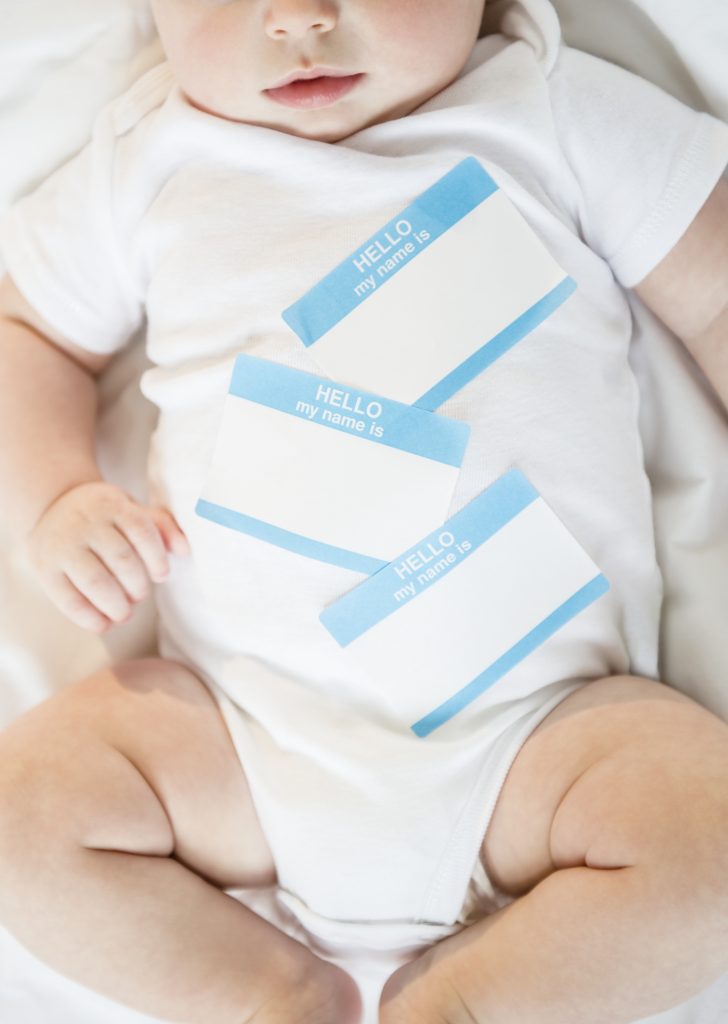
The 2020 Census tables make one big fact easy to see: America is still full of Michaels. The national data show more than 3.4 million people share the name Michael, and Laura Wattenberg, the founder of Namerology, walks through how decades of cautious naming built that mountain of Michaels. Her reading of the records traces the story from a time when parents picked safe, respectable boy names to a modern scene where variety rules and even boys’ names follow fashion.
The raw numbers are blunt: Michael sits at the top of the national first-name list with more than 3.4 million bearers spread across the United States. That concentration didn’t happen by accident, it’s the residue of an era when parents favored a short list of dependable names and returned to them generation after generation. In the 20th century, names like Michael, James, John, Robert, and David were staples you could rely on to sound solid and respectable.
Laura Wattenberg frames the pattern as generational momentum rather than a snapshot of current baby-name fads, noting that the Census is tallying decades of choices, not just last year’s hits. “For generations, Americans were much more conservative naming sons than daughters,” she says, capturing the idea that male names accumulated mass because they changed slowly. “Names of girls were considered objects of fashion. But names of boys, you had to take seriously. They had to be sturdy and reliable.”
Girls’ names, by contrast, moved in waves and tended to burn bright and then fade: Jennifer gave way to Ashley, then Jessica, and Brittany, each rising in its cultural moment before receding. That faster churn meant even hugely popular girls’ names rarely piled up the same raw totals as the long-running male favorites. Wattenberg points to Emma as a modern example; it has spent years near the top of recent baby-name rankings, but “Nationally, though, it remains less common than Brenda.”
The male-heavy face of the all-time list is therefore less about current population balance and more about naming history, a cumulative effect of long stretches where a handful of boy names dominated. Families recycled those names and passed them down, so the Census count reads like a time capsule of conformist naming practices. That legacy explains why a name like Michael towers over many modern favorites that never had the chance to generate such depth of numbers.
At the same time, the Census tables reveal cultural change. Parents today distribute choices across a much wider field, diluting any single name’s dominance and making the list of new babies far more varied. “The gap has disappeared for current baby names,” Wattenberg says. “If you look at the top 10, it’s half boys, half girls.” That shift shows how naming has become more elastic and trend-driven for both sexes.
Even boys’ names, once thought of as purely functional, have dipped into fashion, borrowing the churn that used to be mostly a girls’ phenomenon. “We turned boys into objects of fashion too,” Wattenberg says. “Just look at the male grooming aisle at the drug store!” That observation links the stylistic rise of male naming to broader cultural moves where appearance, branding, and trend cycles touch everyday choices, including what parents call their children.
So the Census list reads like layered history: a vast, old cohort of Michaels, Jameses, Johns, Roberts, and Davids built up over decades, and a present-day scene where names are eclectic and fast-changing. The result is a topography of names that tells us something about taste, risk, and how families mark identity across generations, with the name Michael standing as the clearest monument to that earlier age of naming conformity.