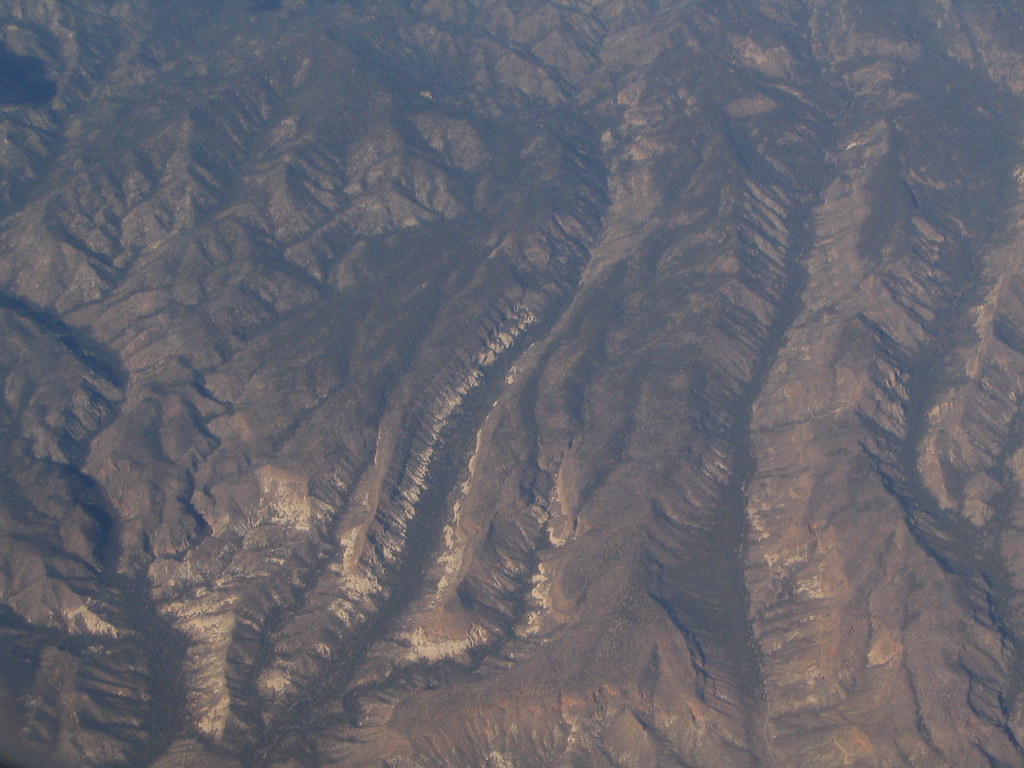
Can you drive an hour from Albuquerque and feel like you’ve landed on a different planet? Yes, and the planet is green.
Valles Caldera National Preserve sits about 55 miles north of the city on Highway 4, past Jemez Springs, past the sulfur smell of the hot springs, past the point where most people turn around and figure they’ve seen enough of the Jemez. The preserve is a volcanic caldera — a collapsed supervolcano, if you want to be dramatic about it, which the geology absolutely earns — and it covers nearly 90,000 acres of meadow, conifer forest, and high-country terrain. The centerpiece is the Valle Grande, a broad, open grassland bowl so wide it looks photoshopped. The first time you see it from the highway pullout, you will stop the car whether you planned to or not.
For a long time this land was private ranch property, which is partly why it stayed intact. The federal government acquired it in 2000, and the National Park Service took over management in 2015. It’s still not overrun. That’s the thing that continues to surprise people who finally make the trip.
So what do you actually do here? Hike, mostly. The preserve has several trail options ranging from a flat, easy walk through the Valle Grande itself to steeper routes up to the caldera rim with views that stretch to Sandia Mountain on a clear day. The Coyote Call Trail and the East Fork Trail along the Jemez River both get consistent foot traffic and reward it. Elk are legitimately everywhere in the fall — the rut runs from mid-September into October, and the bugling carries across the meadows in a way that’s genuinely arresting, not the sanitized wildlife-documentary version of it.
Fishing is popular too. The East Fork of the Jemez River runs through the preserve and holds brown and rainbow trout. You need a New Mexico fishing license plus a separate preserve fishing permit, both available online through the NPS site. A day permit runs around $10. Rangers enforce the rules, so don’t arrive thinking it’s a free-for-all.
Entrance to the preserve costs $25 per vehicle for a seven-day pass, or it’s covered by an America the Beautiful annual pass, which at $80 pays for itself embarrassingly fast if you use New Mexico public lands with any regularity. The preserve opens at 6 a.m. from May through October, with slightly shorter hours in winter when parts of the road become snowpacked and the crowds drop to almost nothing — which, honestly, is a fine argument for going then.
A few practical notes: the altitude runs between 8,000 and 11,000 feet, so anyone coming up from Albuquerque’s 5,300 feet should drink water, go slow, and not be surprised if the first steep section hits harder than expected. There’s a small visitor contact station near the main entrance, but no food service inside the preserve. Pack lunch. The nearest real town is Jemez Springs, which has a handful of places to eat and a bakery that’s worth the stop on the way back down.
The Valles Caldera is not a secret, and it’s not undiscovered. It’s just an extraordinary piece of landscape that most Albuquerque residents somehow keep not going to. That’s their loss, and, on busy weekends, your quiet gain.