Scratch that — let me start over with something truly worth your afternoon.
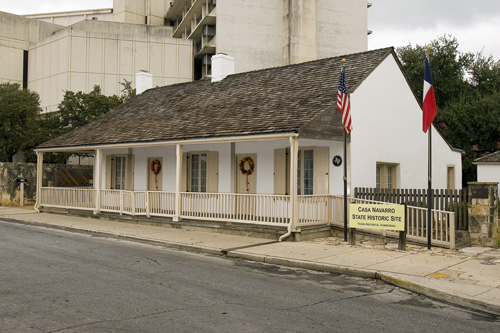
Tucked into the heart of downtown San Antonio, just a short stroll from the River Walk, sits one of the most transportive cultural experiences in all of Texas: the San Antonio Museum of Art’s neighbor you may have walked right past — actually, let’s talk about a place that deserves its own spotlight entirely. Welcome to Casa Navarro State Historic Site, the remarkably preserved 19th-century home and office complex of José Antonio Navarro, one of only two native Texans to sign the Texas Declaration of Independence.
I stumbled onto Casa Navarro on a warm Tuesday morning while wandering through the Laredo Street corridor in downtown San Antonio, just west of the bustling convention center district. I had walked by the low stone-and-adobe walls a dozen times before, never quite stopping. This time I did — and I am genuinely glad I made that turn.
The site is a collection of three original structures dating to the 1850s: a house, a separate office building, and a detached kitchen. They have been meticulously restored to reflect the period when Navarro, a statesman, rancher, and fierce advocate for Texas annexation and Mexican-Texan civil rights, lived and worked here. The structures themselves are modest in scale but extraordinary in presence. Thick limestone walls, hand-hewn wooden beams, period furniture, and interpretive exhibits create an atmosphere that feels more like a time capsule than a museum.
What makes Casa Navarro genuinely special is the story it tells — and how personally it tells it. Navarro was a man of enormous consequence in Texas history, yet he remains far less celebrated than he deserves. He fought for the rights of Tejanos under the Republic and later under U.S. statehood, and he did much of that fighting from this very ground. Standing in his office, looking at the desk where letters and legal documents were drafted, you feel the weight of that history in a way that no textbook ever quite delivers.
The site is managed by the Texas Historical Commission, and admission is refreshingly affordable — just a few dollars for adults, with children often free. The staff and volunteer docents are knowledgeable and enthusiastic without being overbearing. Plan for about an hour, maybe ninety minutes if you linger over the interpretive panels and take your time in the courtyard, which is shaded and peaceful even in summer.
Casa Navarro sits in a neighborhood that rewards a longer wander. The area around Laredo and Commerce streets has an authentic, unhurried character — local taquerias, small shops, and historic architecture that hasn’t been polished into a tourism product. After your visit, walk a few blocks and find a spot for breakfast tacos. You have earned it.
San Antonio does a fine job celebrating its famous landmarks, and rightly so. But the city’s depth lies in places like this — intimate, historically rich, and quietly powerful. Casa Navarro is not a monument to spectacle. It is a monument to a man and a community whose contributions shaped Texas, and it tells that story with honesty and care. Do yourself a favor and give it an afternoon. You will leave knowing something real.